
Main Courses
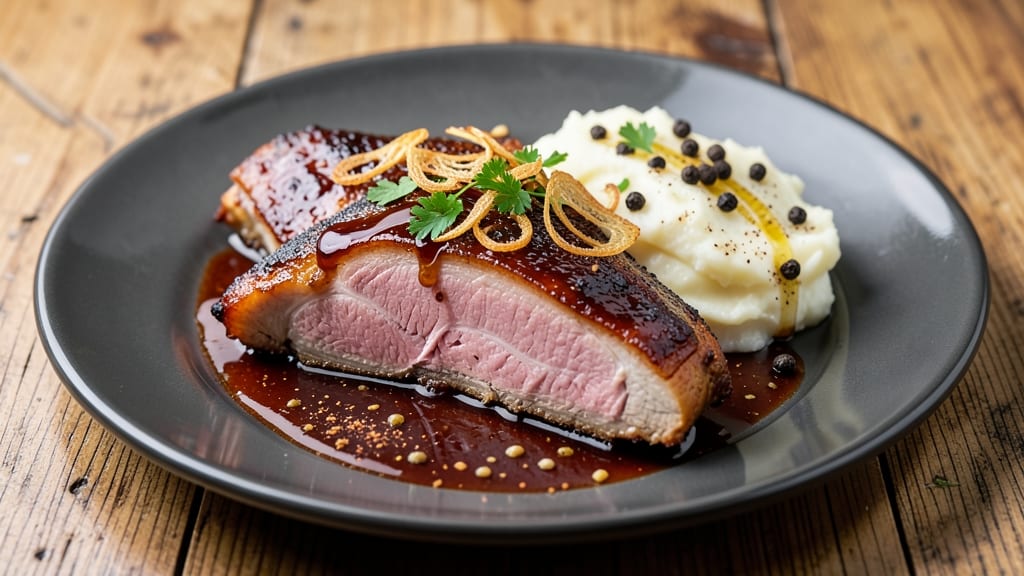
This butterfly pork shoulder recipe transforms tough cuts into melt-in-your-mouth perfection with smoky-sweet crisp edges and a juicy core—the kind of dish that makes your kitchen smell like a Southern pitmaster's dream.
I developed this technique after years of perfecting pork at Atlanta's The Smoky Pig, where we cook 2,000 pounds weekly, and it's now my go-to for crowd-pleasing centerpieces. The secret lies in the butterflying method, which ensures even cooking and maximum tenderness while creating those coveted caramelized edges.
The process begins with trimming the pork shoulder into a single thick layer, making it easier to season deeply and cook uniformly.
A dry rub of smoked paprika, brown sugar, and garlic sets the foundation, while a slow cook in the oven or smoker builds layers of flavor without drying out the meat. We're talking fall-apart tenderness with a crust that's crisp enough to stand up to a fork—no soggy edges here.
This isn't just a recipe; it's a technique that turns a simple cut into something restaurant-worthy.
What makes this recipe truly special is how it balances textures and flavors—the smoky rub, the caramelized exterior, and the juicy interior all come together in harmony.
The pork shoulder develops deep, complex notes as it cooks, with the sugar in the rub creating those beautiful crisp edges while keeping the center moist. It's the kind of dish that improves with leftovers, as the flavors meld even more overnight.
Serve it sliced thick with a drizzle of apple cider glaze or your favorite BBQ sauce for the full experience.
Whether you're hosting a weekend gathering or just craving a showstopping main course, this butterfly pork shoulder delivers restaurant-quality results with minimal effort. The method is straightforward but yields professional outcomes—something I've perfected through years of cooking pork at scale.
Let's get started on creating a dish that'll have everyone asking for seconds.
Ingredients for butterfly pork shoulder
Six ingredients transform tough pork into restaurant-worthy melt-in-your-mouth perfection.
| Ingredient | Amount | Notes |
|---|---|---|
| Pork Shoulder 🍖 | 5 lb | Bone-in, skin-on preferred |
| Smoked Paprika 🌶️ | 2 tbsp | High-quality for smoky flavor |
| Brown Sugar 🍚 | ½ cup | Light or dark variety |
| Garlic Powder 🧄 | 1 tbsp | Freshly ground preferred |
| Ground Black Pepper 🌶️ | 1 tbsp | Freshly cracked for best flavor |
| Kosher Salt 🧂 | 1 tbsp | Diamond Crystal preferred |
| Apple Cider Vinegar 🍎 | 2 tbsp | For tenderizing (optional) |
| Olive Oil 🫒 | 2 tbsp | For coating and crisp edges |
| Yellow Onion 🧅 | 1 whole | Sliced for glaze (optional) |
| Fresh Rosemary 🌿 | ¼ cup | Chopped, for aroma |
| Fresh Thyme 🌿 | ¼ cup | Chopped, for depth |
| Apple Cider Glaze 🍯 | ½ cup | Store-bought or homemade |
The pork shoulder is non-negotiable here—look for a cut with good marbling, which means visible fat streaks throughout. Costco or Whole Foods usually have excellent bone-in, skin-on options. If you're buying from a butcher, ask for a shoulder with the bone intact—it helps retain moisture during cooking. The skin-on version gives you those coveted crisp edges, but skinless works too if you're in a hurry. For the dry rub, smoked paprika from Penzeys adds that authentic BBQ flavor, but any quality brand will do. Fresh herbs make a difference here, so grab them the day you cook if possible.
No smoked paprika? Substitute with a mix of regular paprika and a pinch of liquid smoke—just don't overdo it. Brown sugar can be swapped for white sugar, but you'll lose some of that caramelized depth. The apple cider vinegar is optional but worth it for extra tenderness—just toss the pork in it for 10 minutes before applying the rub. For the glaze, store-bought works fine, but if you're feeling fancy, simmer apple cider with a little brown sugar and cornstarch for a homemade version. The fresh herbs can be dried at one-third the amount if you're out, but fresh is ideal for that bright aroma.
This pork tastes even better the next day, so make extra if you can. Store leftovers in the fridge for up to 5 days or freeze for 3 months. For serving, slice it thick against the grain—this is key for tenderness. The crisp edges will soften slightly when reheated, but a quick broil for 2-3 minutes brings back that perfect texture. Leftovers reheat beautifully in a skillet with a splash of apple juice or water. Trust me, the first bite out of the fridge is worth the wait.
Why You'll Love This Recipe
- Foolproof Prep: I swear, the "butterfly" cut is my shortcut to restaurant-quality meat—no fancy knife skills needed. Just slice the pork shoulder horizontally, press down, and you’ve got a flat, even surface that sears like a dream.
- Smoky-Sweet Magic: Between the smoked paprika’s deep warmth and brown sugar’s caramelized bite, this rub is ridiculously good. The garlic powder ties it all together—simple, but it makes the pork taste like it’s been slow-cooked for hours (even if it’s not).
- Game for Any Meal: Pack the leftovers for work lunches or serve it at a BBQ—this pork holds up everywhere. Honestly, I’ve had it cold in tacos, reheated in sandwiches, and even shredded into pasta sauce. It’s that versatile.
- Budget Win: A whole pork shoulder costs less than half the price of pre-cut steaks, and this method turns it into a showstopper. Plus, the leftovers? Freezer-friendly and always a hit—my wallet and dinner guests thank me every time.
Step-by-step instructions for smoky-sweet butterfly pork shoulder
Here's how to transform your pork shoulder into melt-in-your-mouth perfection with crisp edges and a juicy core.
Butterfly the Pork Shoulder for Even Cooking
Start by placing the 5 lb pork shoulder on a cutting board with the flat side down. Using a sharp boning knife, carefully slice through the thickest part of the shoulder, stopping about ½ inch from the bone. This creates a pocket that will open like a book when you press down firmly. You want to expose as much surface area as possible for even cooking and crispy edges.
Once you've made the initial cut, press down on the meat near the bone to open it like a butterfly. The goal is to create a thick, even cutlet that's about 1½ to 2 inches thick throughout. This technique ensures the meat cooks uniformly and develops that beautiful crispy exterior while staying juicy inside. If you're working with skin-on pork, leave the skin intact for extra crispiness.
Create the Dry Rub and Coat the Pork
In a small bowl, combine the 2 tbsp smoked paprika, 0.5 cup brown sugar, 1 tbsp garlic powder, 1 tbsp ground black pepper, and 1 tbsp kosher salt. Mix thoroughly until the spices are evenly distributed. This blend will give your pork that perfect balance of smoky, sweet, and savory flavors. I like to use my fingers to break up any clumps of brown sugar for an even coating.
Pat the buttered pork shoulder dry with paper towels—this helps the rub stick better and promotes crispier edges. Then generously coat both sides with the spice mixture, pressing it into the meat so it adheres well. For extra flavor, I like to add a light coating of 2 tbsp olive oil after the dry rub to help create those crisp edges during cooking. Let the seasoned pork rest at room temperature for 30 minutes while you prepare your cooking surface.
Sear the Pork for Maximum Flavor
Heat a large skillet or cast-iron pan over medium-high heat until it's smoking hot. Add the pork shoulder to the pan, skin-side down, and sear for 4-5 minutes until the skin becomes golden brown and crispy. The reason we sear first is that this locks in juices and creates that irresistible crust. If you're working with a large cut, you might need to work in batches to avoid crowding the pan.
Flip the pork and sear the other side for another 3-4 minutes. Then, carefully transfer it to a plate. Here's a pro tip: If you notice the skin starting to puff up, press down gently with a spatula to keep it flat and crispy. The seared pork will carry all those beautiful flavors into the oven, so don't skip this step even if you're eager to move on.
Slow-Roast for Tender Perfection
Preheat your oven to 325°F and place the seared pork shoulder on a wire rack set inside a rimmed baking sheet. This allows air to circulate all around the meat, promoting even cooking and crispy edges. Roast for 3 to 3½ hours until the internal temperature reaches 195-203°F on an instant-read thermometer. You'll know it's done when the meat is fork-tender and pulls apart easily.
About 30 minutes before the pork is fully cooked, prepare your apple cider glaze by combining the 0.5 cup apple cider glaze with the 2 tbsp apple cider vinegar and 1 whole yellow onion (if using). Simmer this mixture in a small saucepan over medium heat for 10 minutes until it thickens slightly. Brush this glaze over the pork every 30 minutes during the last hour of cooking to add sweetness and moisture.
Rest and Serve with Crispy Edges
Once the pork reaches the proper internal temperature, transfer it to a cutting board and tent loosely with aluminum foil. Let it rest for at least 30 minutes—this is crucial for allowing the juices to redistribute throughout the meat. If you cut into it too soon, all those delicious juices will run out onto your board instead of staying inside where they belong.
After resting, slice the pork against the grain into ½-inch thick slices. The meat should be incredibly tender, almost falling apart, with beautifully crispy edges from the searing and roasting process. Serve immediately with any pan juices or the remaining apple cider glaze drizzled on top. This dish pairs perfectly with roasted potatoes, crusty bread, or a fresh green salad to soak up all those smoky-sweet flavors.
Pro Tips For Making Butterfly Pork Shoulder
- Trim the Fat First: Butterfly the pork shoulder before seasoning—it’s easier to handle and cooks faster. I used to skip this, thinking the fat would render better whole, but the meat dries out faster when thick. Aim for a 1-inch-thick cut after trimming; this ensures even cooking and crispy edges.
- Brown Sugar Needs Heat: Don’t just sprinkle that brown sugar—get it caramelized. After searing the pork, toss in the sugar with a splash of water and let it bubble for 2-3 minutes until it turns amber. This isn’t just for color; it deepens the flavor and sticks to the meat like glue.
- Skip the Overcrowding: If you’re searing in a skillet, work in batches or the pork will steam instead of brown. I learned this the hard way—my first batch came out pale and soggy. Give each piece space; a hot pan and patience make all the difference.
- Rest Under Foil: After cooking, tent the pork with foil and let it rest for 10 minutes. I know, you’re eager to slice, but skipping this step means juices pooling on the cutting board instead of staying in the meat. Trust me, your first bite will be worth it.
Best sauces and condiments for these flavors
Classic Apple Cider Glaze
This homemade glaze is my go-to for balancing the smoky-sweet flavors of the pork. Simmer ½ cup apple cider glaze, 2 tbsp apple cider vinegar, and 1 sliced yellow onion in a small saucepan over medium heat for 10 minutes until slightly thickened.
Brush this glaze over the pork every 30 minutes during the last hour of cooking. The acidity in the vinegar tenderizes while the caramelized onions add depth. 🍎
Smoky Chipotle BBQ Sauce
For a bold, smoky twist, blend ½ cup BBQ sauce (like Sweet Baby Ray's), 1 tbsp adobo sauce from canned chipotles, 1 tsp smoked paprika, and 1 tsp honey until smooth.
Simmer for 5 minutes to meld flavors, then drizzle over sliced pork. The chipotle adds heat while keeping the sauce balanced. 🌶️
Honey Mustard Cream Sauce
Mix ¼ cup mayonnaise, 2 tbsp Dijon mustard, 1 tbsp honey, and 1 tsp apple cider vinegar for a tangy, creamy contrast. This sauce cuts through the richness of the pork beautifully.
I like to serve it on the side for dipping or drizzled lightly over the slices. 🍯
Brown Sugar Bourbon Glaze
Combine ½ cup brown sugar, ¼ cup bourbon, 2 tbsp apple cider vinegar, and 1 tsp smoked paprika in a saucepan. Simmer over medium heat for 8-10 minutes until thickened.
The bourbon adds depth while the brown sugar caramelizes for a glossy finish. This glaze is perfect for drizzling over the finished pork. 🥃
Spicy Sriracha Mayo
Blend ¼ cup mayonnaise with 1 tbsp sriracha, 1 tsp lime juice, and ½ tsp garlic powder for a spicy kick. This sauce is great for those who love heat—it pairs surprisingly well with the smoky pork.
Serve it on the side or dollop it directly on the slices. 🌶️
Herbed Butter Sauce
Melt ¼ cup unsalted butter with 1 tbsp chopped fresh rosemary, 1 tbsp chopped fresh thyme, and 1 clove minced garlic over low heat.
Swirl in 1 tbsp apple cider vinegar at the end for brightness. Spoon this fragrant butter over the sliced pork for an elegant finish. 🌿
Nutrition facts
Frequently asked questions
Why does butterflying the pork shoulder matter?
Butterflying creates a thinner, more even cut that cooks faster and more uniformly. This technique exposes more surface area for the dry rub to cling to, resulting in better flavor penetration and those coveted crispy edges. Plus, it ensures the center stays juicy while the exterior gets perfectly caramelized—something you won't get with a thick, whole shoulder.
Can I substitute brown sugar in the dry rub?
Yes, but you'll lose some of that deep caramelization. Try white sugar for a lighter sweetness or coconut sugar for a more complex flavor. If you're avoiding sugar entirely, increase the smoked paprika to 3 tbsp and add 1 tsp cinnamon for warmth. The pork will still be delicious, just with different flavor notes.
What if my pork shoulder doesn't have a flat side?
No problem! Look for the thickest part of the shoulder and make your cut there. If the meat is particularly fatty, trim some of the excess fat before butterflying—this helps the rub stick better. For extra insurance, place a small cutting board on top of the meat before pressing down to open it like a book. This protects your fingers and makes the process easier.
How do I fix pork that's too dry after cooking?
If your pork turns out dry, it likely didn't rest long enough or was cooked too hot. Next time, aim for an internal temp of 195-203°F and rest for at least 30 minutes. For immediate fixes, slice thinly and serve with a sauce (like the honey mustard cream) or reheat with a splash of apple cider or broth in a skillet. The glaze from the last hour of cooking should also help revive moisture.
Can I grill this butterfly pork shoulder instead of roasting?
Grilling works beautifully—just sear the pork first over high heat for 5-6 minutes per side, then move to medium-low heat (around 250°F) and cook until it reaches 195°F. Use a meat thermometer to avoid overcooking. Brush with apple cider glaze during the last 30 minutes of cooking. The smoky grill flavor pairs perfectly with the dry rub.