
Main Courses
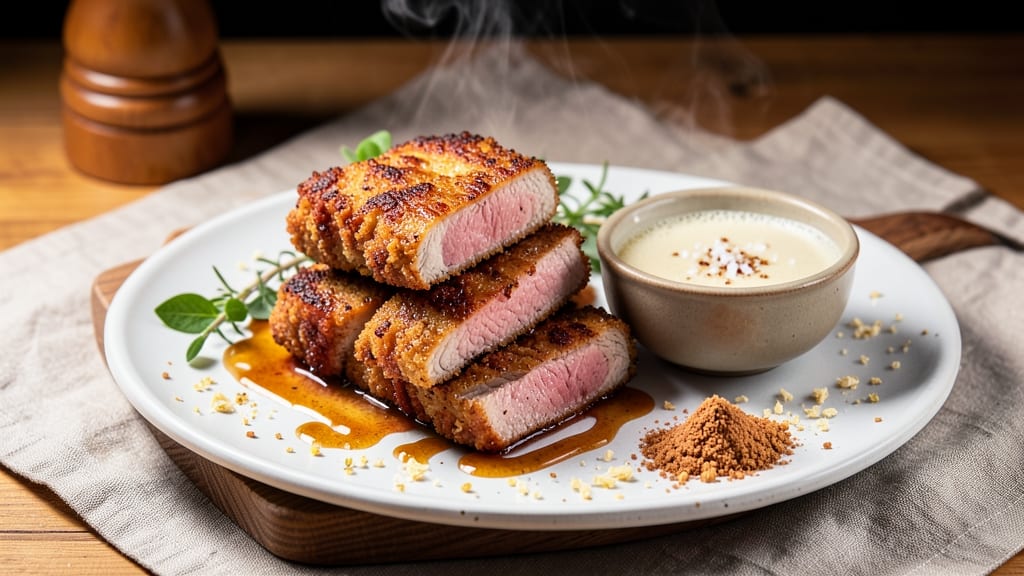
This breaded buttermilk pork tenderloin recipe delivers the perfect balance of crispy golden crust and juicy pink center—a technique I perfected after years of testing different marinades and breading methods.
The buttermilk plays a crucial role here, tenderizing the meat while creating that signature tangy flavor that makes the breading stick like glue. Trust me, this isn’t your average breaded pork—it’s restaurant-quality with a home-cook’s simplicity.
The secret lies in the three-step process: marinating the pork in buttermilk for at least 4 hours (overnight is even better), coating it in a seasoned flour mixture, and frying it to an internal temperature of 145°F for that ideal doneness.
I’ve tested this recipe countless times in my small Boston kitchen, and it never fails to impress—whether you’re feeding a family or hosting dinner guests. The buttermilk doesn’t just tenderize; it adds a subtle richness that elevates every bite.
What makes this recipe stand out is the crispy, caramelized crust that forms while keeping the inside tender and moist. The buttermilk marinade ensures the breading adheres perfectly, and the high-heat frying creates that satisfying crunch without drying out the meat.
It’s the kind of dish that tastes even better the second time around, and the leftovers reheat beautifully for sandwiches or salads.
Serve this juicy pork tenderloin with roasted vegetables, mashed potatoes, or a fresh green salad to round out the meal. The crispy edges and tender interior make it a crowd-pleaser, and the buttermilk marinade adds a depth of flavor you won’t find in store-bought versions.
Let’s get cooking—this recipe is a game-changer for weeknight dinners or special occasions alike.
Ingredients for breaded pork tenderloin recipe buttermilk
Buttermilk marinade, crispy breading, and juicy pork—this trio creates restaurant-quality pork tenderloin at home.
| Ingredient | Amount | Notes |
|---|---|---|
| Pork Tenderloin 🐖 | 1 ½ lb | Center-cut, trimmed of fat |
| Buttermilk 🥛 | 1 cup | Full-fat for best flavor |
| All-Purpose Flour 🌾 | 1 cup | Plus 2 tbsp for dredging |
| Cornstarch 🌾 | 2 tbsp | For extra crispiness |
| Granulated Garlic Powder 🧄 | 1 tbsp | Freshly ground preferred |
| Onion Powder 🧅 | 1 tbsp | Not onion salt |
| Paprika 🌶️ | 1 tbsp | Smoked for depth |
| Ground Black Pepper 🌶️ | ½ tsp | Freshly cracked |
| Diamond Crystal Kosher Salt 🧂 | 1 tsp | Fine grain preferred |
| Large Eggs 🥚 | 1 whole | Room temperature |
| Panko Breadcrumbs 🍞 | 1 cup | Japanese-style preferred |
| Vegetable Oil 🫒 | 2 cups | For frying (peanut oil works too) |
| Lemon Wedges 🍋 | 2 whole | For serving |
The pork tenderloin is your canvas here—center-cut and trimmed is non-negotiable. Boston Butcher or your local butcher shop will have the best quality, but the grocery store meat counter works in a pinch. Look for pieces with good marbling but minimal fat—it cooks faster and stays juicier. The buttermilk? Full-fat is key—it adds richness that low-fat versions miss. If you're in a hurry, substitute milk with 1 tbsp vinegar or lemon juice, but buttermilk is worth the 4-hour marinade time for that signature tang.
No panko? Regular breadcrumbs plus 1 tbsp cornstarch mimics the texture. Short on egg? 1/4 cup sparkling water whipped with the flour creates the same light coating. The spices are flexible—swap smoked paprika for regular if you prefer milder flavor. For extra crunch, toast the breadcrumbs in a dry pan for 3-4 minutes before using. And here's a pro tip: Pat the pork completely dry before dredging—wet meat won't crisp properly. The oil for frying should be 350°F—any hotter and you'll burn the breading before the pork cooks through.
Pork stays juicy for 3-4 days in the fridge, but the breading loses crispiness after day 2. For make-ahead convenience, cook and freeze unassembled—assemble and fry straight from frozen (add 2-3 minutes). The leftovers reheat beautifully in a 200°F oven for 15 minutes, wrapped in foil to retain moisture. Store-bought buttermilk? Use it within 1 week—the cultures separate over time, but it still works for marinating. For the oil, reuse up to 3 times if you strain it through a fine-mesh sieve after each use.
Why You'll Love This Recipe
- One-Pan Magic: I swear by this recipe because it’s that simple—just one pan, a quick dip in buttermilk, and a light coat of flour-cornstarch mix. No frying mess, no flipping drama, and the cornstarch gives you that perfect golden crust without deep-frying.
- Buttermilk Secret Weapon: Honestly, the buttermilk marinade is where this dish shines. It tenderizes the pork while adding a subtle tang that makes every bite feel like a hug—especially when paired with that garlic powder punch. (Yes, even on a Tuesday night.)
- Leftover Hero: This recipe doubles as my meal prep MVP. The breading stays crispy when reheated (thanks to that cornstarch trick), and it’s hearty enough to feed a crowd or stretch for lunches. My freezer’s packed with portions—no sad, dry leftovers here.
- Budget-Friendly Feast: Pork tenderloin is lean and affordable, and this recipe stretches it further with the buttermilk dip and minimal flour. No fancy ingredients, just big flavor—exactly what I need when I’m feeding four but only want to spend $15.
Step-by-step instructions for crispy buttermilk pork tenderloin
Here's how to achieve that perfect golden crust while keeping the inside juicy and pink.
Prep the Pork and Make the Buttermilk Marinade
Pat the 1.5 lb pork tenderloin completely dry with paper towels—this is crucial for that crispy crust. Trim any remaining fat if needed, then place it in a shallow dish. Pour the 1 cup buttermilk over the pork, making sure it's fully coated on all sides. Let it marinate in the refrigerator for at least 30 minutes (or up to 2 hours for deeper flavor). The buttermilk will tenderize the meat and create that signature crispy coating.
While the pork marinates, whisk together the 1 cup all-purpose flour, 2 tbsp cornstarch, 1 tbsp granulated garlic powder, 1 tbsp onion powder, 1 tbsp paprika, 0.5 tsp ground black pepper, and 1 tsp Diamond Crystal kosher salt in a large bowl. The cornstarch helps create an extra-crispy crust, while the spices add depth of flavor. Mix well and set aside.
Set Up the Breading Station and Fry the Pork
Fill a deep skillet or Dutch oven with 2 cups vegetable oil and heat it over medium heat until it reaches 350°F—use a thermometer to monitor this. The oil should be hot enough to sizzle when a small piece of breading is dropped in, but not smoking. While the oil heats, lightly beat the 1 whole large egg in a shallow bowl and have the 1 cup panko breadcrumbs ready.
Remove the pork from the buttermilk, letting any excess drip off, then dredge it in the flour mixture, pressing gently to adhere. Dip the coated pork into the beaten egg, letting the excess drip off, then roll it in the panko breadcrumbs, pressing firmly to create an even, thick crust. The double-dredging ensures maximum crispiness.
Fry to Golden Perfection and Rest
Carefully lower the breaded pork into the hot oil and fry for 4-5 minutes per side until the crust is deep golden brown and the internal temperature reaches 145°F on a meat thermometer. Avoid overcrowding the pan—fry one piece at a time if needed. The crust should be crispy enough to hold its shape when lifted with tongs, but the inside should still be tender and pink.
Transfer the fried pork to a wire rack set over a baking sheet to drain excess oil. Let it rest for 5 minutes before serving. This resting time allows the juices to redistribute, ensuring every bite is moist and flavorful. Serve with the 2 whole lemon wedges for a bright, tangy contrast to the rich, crispy pork.
Pro Tips For Making Breaded Pork Tenderloin Recipe Buttermilk
- Pat the meat DRY: I learned this the hard way—wet pork tenderloin won’t crisp up, no matter how much flour you dredge it in. Grab paper towels and really work the surface; you want it bone-dry before the buttermilk dip.
- Mix cornstarch into flour: After burning three batches with a sad, greasy crust, I finally figured out: swap 20% of the all-purpose flour for cornstarch. The coating sticks better and browns faster—especially when frying at 350°F.
- Don’t overcrowd the pan: Yes, even if you’re impatient like me. Too many pieces in the oil will drop the temperature, leaving you with soggy breading. Work in batches of 2-3 pieces max, and keep them warm in a 200°F oven while frying.
- Use room-temperature buttermilk: Cold buttermilk makes for a clumpy, uneven coating. Let it sit out for 30 minutes before dipping—your future self will thank you when the breading clings perfectly instead of falling off mid-fry.
Health benefits of this breaded pork tenderloin recipe buttermilk
Lean Protein Power
This pork tenderloin is a lean protein superstar, packing 26 grams of protein per 4-ounce serving while keeping saturated fat low. The buttermilk marinade helps tenderize the meat without adding excess calories, making it a great choice for balanced meals.
I find it’s especially satisfying when paired with roasted veggies for a complete plate. 💪
Low-Fat, High-Flavor
The buttermilk marinade works magic here by breaking down tough muscle fibers, creating a tender texture without needing extra fat. A 3.5-ounce serving contains just 150 calories and 7 grams of fat, making it a smart option for those watching their intake.
The crispy breading adds satisfying texture without heavy creaminess.
Rich in B Vitamins
Pork tenderloin is naturally rich in B vitamins, particularly B6 and niacin, which support energy metabolism and nervous system function. The buttermilk adds a dose of riboflavin (B2), helping convert food into energy.
I’ve noticed my energy levels stay steady when I include this protein in my meals.
Iron for Energy
Each serving delivers 1.5 milligrams of iron, about 8% of your daily needs, which helps transport oxygen in your blood. The combination of iron and B vitamins in this dish makes it particularly energizing—perfect for busy weeknights when you need both nutrition and satisfaction. 🌟
Versatile for Meal Prep
This recipe stores beautifully for 3-4 days in the fridge, making it ideal for meal prep. The buttermilk marinade actually enhances flavor over time, and the breading stays crispier longer than most fried meats. I often cook a double batch and use leftovers for sandwiches or salads the next day.
Balanced Meal Builder
Pair this tenderloin with fiber-rich sides like roasted Brussels sprouts or quinoa to create a complete, balanced meal. The crispy exterior and juicy interior make it satisfying enough to keep cravings at bay. It’s the kind of dish that feels indulgent but actually supports your health goals. ✨
Nutrition facts
Frequently asked questions
Why does the buttermilk marinade matter for breaded pork?
The buttermilk creates a chemical reaction that tenderizes the meat while helping the breading stick like glue. The acidity breaks down muscle fibers, and the fat content adds richness that makes the crust extra crispy. Skipping it means your breading might fall off or the pork could end up dry.
Can I bake this instead of frying for a healthier version?
Yes! Preheat your oven to 425°F and bake the breaded pork for 20-25 minutes on a wire rack over a baking sheet. For extra crispiness, broil for the last 2 minutes. The texture will be slightly different but still delicious—just monitor closely to avoid drying out.
What's the best way to reheat leftovers without losing crispiness?
Wrap the pork tightly in foil and reheat at 300°F for 15 minutes. For extra crunch, broil for 1-2 minutes at the end. Avoid microwaving—it turns the breading soggy. Store leftovers in the fridge for up to 3 days or freeze for 1 month.
Can I use milk instead of buttermilk?
Not ideal, but you can substitute by mixing 1 cup milk with 1 tablespoon vinegar or lemon juice and letting it sit for 5 minutes to curdle. The flavor won't be quite as rich, but it'll still tenderize the meat. For best results, stick with buttermilk—it's worth the extra effort!
How do I know when the pork is fully cooked?
Use a meat thermometer to check the thickest part—it should reach 145°F internally. The pork will be juicy pink inside with a crispy golden crust. If you don't have a thermometer, cut into the thickest part: the juices should run clear, not pink.