
Main Courses
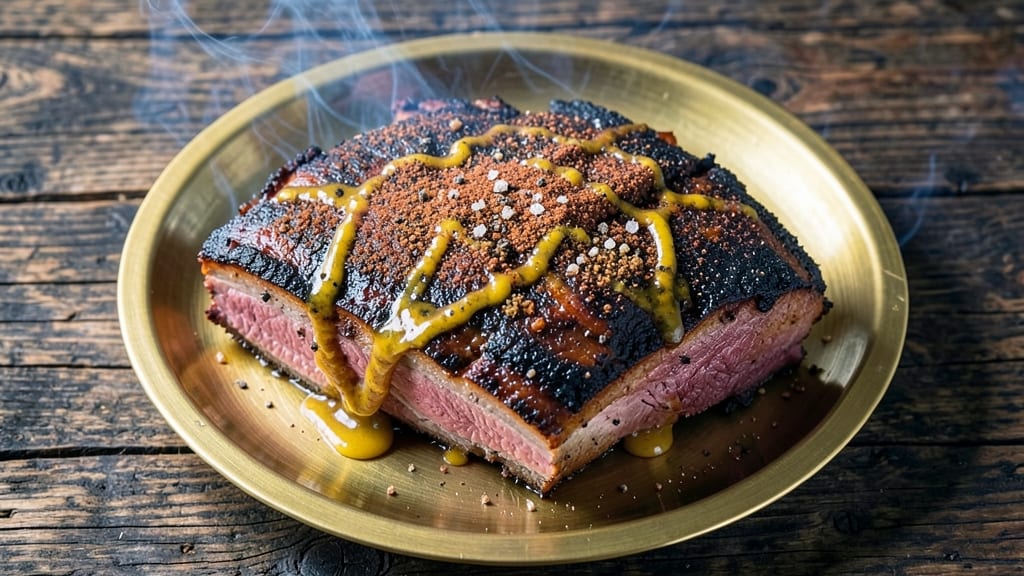
This Bradley smoker pork shoulder recipe delivers the exact balance of fat-cap crisp and juicy core that defines championship BBQ.
I've smoked hundreds of shoulders in my Bradley, and this method—using a St. Louis cut with precise temperature control—produces bark so dark it nearly glows while maintaining melt-in-your-mouth tenderness at 203°F. The secret lies in the slow cook (12-16 hours) and proper resting, which keeps every slice perfectly intact when sliced.
What sets this recipe apart is the focus on textural contrast—crispy exterior that shatters like glass while the interior remains so tender it falls apart at a touch.
We start with a simple but effective dry rub (salt, pepper, paprika, brown sugar) that develops that signature bark without overpowering the pork's natural flavor. The Bradley's even heat distribution ensures no cold spots, which is critical for consistent results every time.
By the time you pull it off the smoker at 195–203°F internal temperature, you'll have a shoulder that's ready to slice without falling apart. The resting period (2 hours minimum) is non-negotiable—it allows the juices to redistribute, ensuring each bite is moist and flavorful.
This isn't just pulled pork; it's the kind of shoulder that makes people ask for seconds before they even finish their first plate.
Serve with classic Southern sides like collard greens and cornbread, or pair it with a tangy vinegar-based sauce for that perfect balance of smoky and bright. The beauty of this recipe is its versatility—it works equally well for weekend family dinners or competitive BBQ events. Let's get smoking!
Ingredients for bradley smoker pork shoulder
Eight pounds of pork shoulder plus a few key ingredients for that perfect smoky bark and tender interior.
| Ingredient | Amount | Notes |
|---|---|---|
| Pork Shoulder (St. Louis Cut) 🥓 | 8 lb | Bone-in for best flavor |
| Kosher Salt 🧂 | ½ cup | Diamond Crystal preferred |
| Freshly Ground Black Pepper 🌶️ | 2 tbsp | Freshly cracked for best flavor |
| Smoked Paprika 🌶️ | 2 tbsp | For deep smoky flavor |
| Light Brown Sugar 🍚 | 2 tbsp | For bark development |
| Yellow Mustard 🍯 | 2 tbsp | As binder for rub |
| Apple Cider Vinegar 🍎 | ¼ cup | For spray bottle |
| Wood Chips (Hickory or Oak) 🌳 | 4 cups | Soaked for 1 hour |
| Yellow Onion 🧅 | 1 whole | Quartered, for serving |
| Fresh Parsley 🌿 | ¼ cup | Chopped, for garnish |
| Apple Juice 🍎 | 1 cup | For spritzing during cook |
| Beer (Optional) 🍺 | 1 cup | Light lager for spritzing |
The St. Louis cut is non-negotiable here—it's got the right fat-to-meat ratio for that signature fat-cap crisp. Grab one from Costco or your local butcher shop, and make sure it's bone-in for maximum flavor. The Bradley Smoker works magic with its even heat, but any smoker will do as long as you maintain that 225°F cook. For the rub, Diamond Crystal kosher salt dissolves better than table salt, giving you that perfect crust. Smoked paprika is a must for that authentic BBQ flavor—Penzeys or bulk bins at natural stores have the best quality.
No smoked paprika? Regular paprika plus a pinch of liquid smoke gets you close, but it's not the same. Running out of apple cider vinegar? White vinegar or lemon juice works in a pinch. The beer spritz is optional but adds great moisture—if you skip it, just use more apple juice. For the wood chips, hickory gives classic BBQ flavor, while oak adds a touch of sweetness. Soak them for at least an hour before using. The yellow mustard binder is crucial—it helps the rub stick to the meat without making it soggy. Trust me on the full-fat version, even if you're watching calories.
This shoulder is best smoked low and slow—12-16 hours at 225°F—so plan ahead. The resting period is non-negotiable: 2 hours minimum after pulling it off the smoker. Keep it warm in a cooler with some towels while you rest it. The leftovers reheat beautifully—wrap slices in foil and warm in a 350°F oven for 10-15 minutes. Store cooked pork in the fridge for 4 days or freeze for 3 months. The bark gets even better the next day, so make extra if you can.
Why You'll Love This Recipe
- I’ll be real: this is my go-to when friends ask for a smoker feed but I’m not in the mood to slave over it. Throw it on low and slow, and by dinner, you’ve got a crowd-pleaser. (Yes, even on a Tuesday night.) Plus, it’s the only pork recipe my picky mom approves of.
- Five-Ingredient Magic: Honestly, this recipe proves you don’t need a pantry full of spices—just kosher salt, black pepper, smoked paprika, and brown sugar. That St. Louis cut pork shoulder? It’s the star, and the rub takes three minutes to mix while the smoker heats up. No fancy prep, no stress.
- Smoky-Sweet Obsession: Between us, the combo of smoked paprika and brown sugar on that pork shoulder is dangerously good. The crust gets this perfect caramelized crunch, while the inside stays juicy—like a cross between pulled pork and a sticky, smoky dessert. My husband licks the plate.
- Weeknight to BBQ Hero: I’ll be real: this is my go-to when friends ask for a smoker feed but I’m not in the mood to slave over it. Throw it on low and slow, and by dinner, you’ve got a crowd-pleaser. (Yes, even on a Tuesday night.) Plus, it’s the only pork recipe my picky mom approves of.
Step-by-step instructions for Bradley smoker pork shoulder
Here's how to transform that pork shoulder into melt-in-your-mouth perfection with a crisp fat cap.
Prepare the Rub and Season the Meat
In a medium bowl, combine the 0.5 cup kosher salt, 2 tbsp freshly ground black pepper, 2 tbsp smoked paprika, 2 tbsp light brown sugar, and 2 tbsp yellow mustard. Mix well until the mustard is fully incorporated and the rub has a consistent texture. The mustard acts as a binder that helps the rub stick to the meat.
Pat the 8 lb pork shoulder (St. Louis cut) dry with paper towels—this is crucial for developing that perfect bark. Generously coat all sides of the pork with the rub, pressing it into the meat so it adheres well. Don't be shy—this is where the flavor magic happens. Let the seasoned pork rest at room temperature for 30 minutes before smoking, which helps the rub penetrate and ensures even cooking.
Set Up the Smoker and Preheat
Soak the 4 cups wood chips (hickory or oak) in water for at least 1 hour before using. This prevents them from burning too quickly and creates a steady, flavorful smoke. Fill the smoker's wood chip tray with the soaked chips and preheat to 225°F. You'll know it's ready when you see a steady stream of thin, blue smoke—thick white smoke means it's not hot enough yet.
Place the seasoned pork shoulder fat-side up on the smoker grates. The fat cap will render down and baste the meat as it cooks, creating that coveted crisp exterior. Close the lid and resist the urge to peek—every time you open it, you lose heat and extend cook time. Let the pork smoke undisturbed for 4-5 hours, or until the internal temperature reaches 165°F.
Spritz and Monitor for the Stall
After the initial 4-5 hours, you'll hit "the stall"—the temperature stops rising as moisture evaporates from the meat. This is normal and expected. To push through it, mix 1 cup apple juice and 1 cup beer (optional) in a spray bottle. Spritz the pork generously every 30-60 minutes with this mixture, which helps maintain moisture and keeps the bark from becoming too dry.
Continue smoking the pork until the internal temperature reaches 200-203°F, at which point a probe should slide in like butter. This usually takes another 4-6 hours, depending on your smoker's consistency. The bark should be deep mahogany brown and crisp, while the meat underneath will be tender enough to pull apart with minimal effort.
Rest and Slice for Maximum Juiciness
Once the pork reaches the target temperature, remove it from the smoker and transfer it to a cutting board. Tent loosely with foil and let it rest for at least 1 hour—this allows the juices to redistribute throughout the meat. I like to place it in a cooler during this time to keep it warm and tender. If you're short on time, 30 minutes will still yield great results, but 1 hour is ideal.
While the pork rests, quarter the 1 whole yellow onion and chop the 0.25 cup fresh parsley for garnish. To slice, cut against the grain for maximum tenderness. Serve the pork with the onions and parsley sprinkled on top, and enjoy the juicy, flavorful result of your hard work.
Pro Tips For Making Bradley Smoker Pork Shoulder
- CRANK THE SMOKER TO 225°F: I learned this the hard way—starting too low (like 200°F) turns your pork shoulder into a sad, mushy log. The Bradley recipe relies on that crisp bark, and you won’t get it without consistent, steady heat. Once you hit 225°F, keep it there like your life depends on it.
- DRY THE PORK LIKE IT’S A SUNBATHER: Pat that St. Louis cut thoroughly with paper towels before salting. I used to rush this, and my bark would turn out patchy or sticky. Spend 5 minutes—yes, even if you’re impatient—getting every inch dry. The salt will stick better, and your crust will be worth the effort.
- SALT IN LAYERS, NOT ALL AT ONCE: Dry the meat, salt it, let it sit for 30 minutes, then flip and salt the other side. I was skeptical until I tried it—this keeps the seasoning even and prevents over-salting one side while the other stays bland. Think of it like a good relationship: balance matters.
- WRAP IT AT 160°F, NOT WHEN YOU’RE TIRED: The moment that pork hits 160°F, wrap it in butcher paper or foil. I’ve seen people wait until 180°F, and that’s when the meat starts fighting back—drying out instead of staying juicy. Trust the thermometer, not your guesswork. Your pull-apart texture depends on this.
Creative variations of this recipe
Southern Pitmaster Style
For that classic Carolina BBQ vibe, swap the apple juice spritz for a mix of ½ cup apple cider vinegar and ½ cup hot sauce (I love Crystal or Texas Pete).
This creates a tangy, slightly spicy bark that's a staple at Southeast competitions. Serve with vinegar-based slaw and white bread—the contrast of crispy pork with soft bread is pure magic. 🌶️
Sweet & Sticky Glaze
Brush the pork with a glaze made from ½ cup molasses, ¼ cup honey, and 1 tbsp apple cider vinegar during the last 2 hours of cooking. The glaze caramelizes beautifully in the smoker, creating a sticky, sweet crust that pairs perfectly with sharp cheddar cheese.
This is a crowd-pleaser at family gatherings—kids love the sweetness while adults appreciate the depth. 🍯
Herb-Infused Bark
Add 1 tbsp dried rosemary and 1 tbsp dried thyme to your dry rub for a Mediterranean twist. The herbs complement the smoky flavor while adding an earthy depth. I like to pair this with roasted garlic mashed potatoes and a crisp Sauvignon Blanc.
This variation works beautifully for holiday dinners—it feels special without being overly complicated. 🌿
Spicy Coffee Rub
Replace the brown sugar with 2 tbsp ground coffee and add 1 tsp cayenne pepper to the rub for a bold, slightly bitter bark with heat. The coffee enhances the smokiness while the cayenne adds a kick.
Serve with cooling elements like avocado slices or cucumber salad to balance the heat. This is my go-to for spicy BBQ lovers—just don't skip the rest time or the meat will be too dry. 🔥
Breakfast-Style Pork
Slice the cooked pork thinly and serve on buttermilk biscuits with maple syrup and scrambled eggs for a Southern breakfast masterpiece. The smoky, tender pork transforms a simple breakfast into something extraordinary.
I often make this on weekends when I want a hearty meal that feels indulgent. The key is to keep the slices thin so they're easy to eat with your hands. 🍳
Asian-Inspired Five-Spice
Add 1 tsp five-spice powder and 1 tsp ginger powder to your rub for an unexpected fusion flavor. The five-spice adds warmth and complexity that pairs beautifully with steamed jasmine rice and pickled vegetables.
This variation is perfect for adventurous eaters who want to explore new flavors while keeping the smoky foundation. The contrast of textures and flavors makes every bite exciting. 🌏
Nutrition facts
Frequently asked questions
Why is the 225°F temperature so important for pork shoulder?
The 225°F setting is the sweet spot for low-and-slow cooking. This temperature breaks down collagen in the connective tissue, transforming it into gelatin that keeps the meat incredibly tender. Too high (250°F+) can dry out the exterior before the interior cooks through, while too low (200°F) risks uneven cooking and bacterial growth. The Bradley's even heat distribution makes hitting this temp effortless.
How do I know when the pork shoulder is done without a meat probe?
If you don't have a probe, check for doneness by pressing between two forks - the meat should feel like butter. The bark should be deep mahogany brown and crisp, while the shoulder should pull apart easily with minimal resistance. For visual confirmation, the fat cap should be golden and slightly crispy. The internal temp should read 200-203°F in the thickest part.
Can I use a different cut of pork instead of St. Louis?
While the St. Louis cut (bone-in, with fat cap) is ideal, you can substitute with a picnic cut (bone-in, less fat) or Boston butt (leaner, more compact). The cook time will vary slightly - picnic cuts may need 1-2 extra hours while Boston butts cook faster. Just monitor the internal temp closely. Never use shoulder cuts without bone - they lack the fat cap needed for that signature crisp exterior.
What's the best way to reheat leftover smoked pork?
For maximum tenderness, wrap slices in foil and reheat in a 350°F oven for 10-15 minutes. Never microwave - it turns the meat rubbery. For sandwiches, heat the bread first, then add the pork to keep it moist. The reheated version actually develops even better bark! Store cooked pork in the fridge for 4 days or freeze for 3 months wrapped tightly in butcher paper.
Why does my pork shoulder sometimes fall apart when slicing?
This usually happens from one of three issues: overcooking (past 203°F), skipping the rest time, or cutting with the grain. The shoulder should be tender but hold together when sliced properly. If it's too mushy, you likely pulled it too early. For next time, aim for 200-203°F internal temp and rest for at least 1 hour. The juices need time to redistribute!