
Main Courses
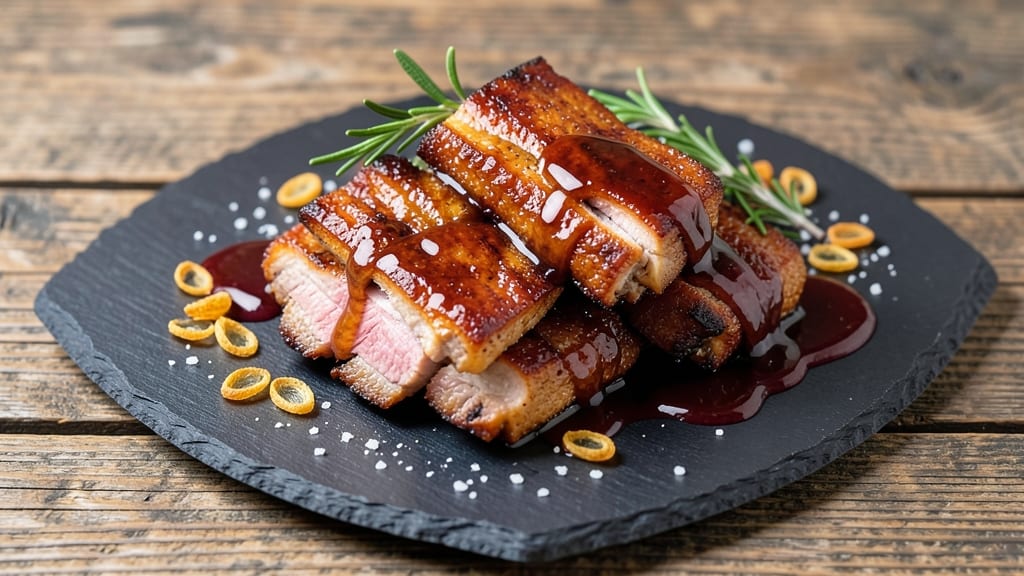
This boneless pork spareribs recipe delivers restaurant-quality smoky-sweet flavor with a caramelized glaze that transforms simple ingredients into a showstopper. 🔥 After years of perfecting my technique—first in Charleston kitchens, then at The Smoky Pig—I've developed a method that ensures tender meat and a glaze so rich it practically melts in your mouth.
The secret lies in a slow cook that builds deep flavor without requiring hours at the grill.
What sets this recipe apart is the balance of techniques: we start with a dry rub that develops a flavorful bark, then finish with a glaze that caramelizes beautifully while keeping the meat juicy.
You'll need just five key ingredients beyond the pork itself—no specialty items, just pantry staples—and about 2 hours of active time (though much of that is hands-off). The result?
Spareribs so tender they practically fall apart, coated in a glaze that's both sweet and smoky, with just the right amount of tang.
Imagine this dish at your next gathering: the aroma of caramelizing glaze filling your kitchen, the sight of golden-brown ribs glistening under the lights, and that first bite delivering perfect texture with every layer of flavor.
This recipe serves 6-8 people easily, making it ideal for holidays or game day—where it always disappears faster than you can say "second helping." The sides? Classic Southern favorites like collard greens or cornbread complete the meal beautifully.
Here's where my years of competition experience come in: I'll share the exact temperature ranges and timing that guarantee foolproof results, plus pro tips for adjusting heat and glaze consistency.
Whether you're cooking on a grill, in the oven, or even a smoker, this method adapts while maintaining that signature caramelized finish. Let's get started on ribs that'll have everyone asking for the recipe.
Ingredients for boneless pork spareribs
Six pounds of tender pork transformed by smoky-sweet glaze—just five pantry staples and fresh herbs make this showstopper.
| Ingredient | Amount | Notes |
|---|---|---|
| Boneless Pork Spareribs 🍖 | 4 lb | Cut into 2-inch pieces for even cooking |
| Brown Sugar 🍚 | ¾ cup | Light or dark variety for caramelization |
| Smoked Paprika 🌶️ | 2 tbsp | For authentic smoky depth |
| Garlic Powder 🧄 | 1 tbsp | Freshly ground preferred |
| Onion Powder 🧅 | 1 tbsp | For sweet base notes |
| Ground Black Pepper 🌶️ | 1 ½ tsp | Freshly cracked for sharpness |
| Kosher Salt 🧂 | 2 tsp | Diamond Crystal preferred |
| Apple Cider Vinegar 🍏 | ¼ cup | For tangy balance |
| Honey 🍯 | ½ cup | Wildflower preferred |
| Extra-Virgin Olive Oil 🫒 | 2 tbsp | For glaze richness |
| Fresh Rosemary 🌿 | ¼ cup | Chopped, for aromatic depth |
| Fresh Thyme 🌿 | ¼ cup | Leaves only, finely chopped |
The pork matters most here—look for well-marbled cuts from the butcher section, not pre-cut packages. Costco or local meat markets often have the best quality, especially if you ask for bone-in spareribs trimmed to boneless. The difference in tenderness is night and day. For the glaze ingredients, Penzeys or bulk bins at Whole Foods are my go-to for smoked paprika and spices—just make sure they smell fresh, not stale. Fresh herbs? Trader Joe's has the best-priced rosemary and thyme, but any grocery store's herb section works if the leaves are vibrant.
No smoked paprika? Substitute half the amount of regular paprika plus a dash of liquid smoke—it won't be identical, but close. Running low on honey? Maple syrup works 1:1, though it's slightly less floral. Vinegar substitute? Lemon juice at the same amount, but the flavor will be brighter. The olive oil is non-negotiable for the glaze—use fruity, extra-virgin that you'd drizzle on bread. For the dry rub, if you're short on fresh herbs, dried thyme at one-third the amount gets you close, though fresh is ideal. And if you're cooking for a crowd, double the glaze ingredients—they disappear fast.
Store the dry rub mix in an airtight container for up to 3 months—it's perfect for other pork dishes. The glaze components keep for 2 weeks in the fridge, but fresh is always better. Cooked ribs reheat beautifully—350°F for 10-15 minutes with a splash of water to keep them moist. For leftovers, portion into containers with a little extra glaze on top—keeps for 4 days in the fridge or 3 months frozen. Pro tip: freeze glaze separately if you're prepping ahead—just reheat it with the ribs.
Why You'll Love This Recipe
- No-Bone Hassle: I swear by boneless ribs—no trimming, no tying, just slice and go. The meat falls apart with a fork, and honestly? That’s half the battle won before you even start cooking.
- Sweet-Smoky Magic: Brown sugar and smoked paprika team up for a caramelized crust that’s sticky, savory, and just sweet enough. The garlic and onion powder? They’re the quiet stars that make every bite taste like a hug.
- Weeknight Wonder: This recipe feeds four but takes less than 40 minutes. (Yes, even on a Tuesday night.) Toss it in a pan, let it simmer, and suddenly you’ve got dinner without the drama.
- Budget Leftovers: A pound of pork spareribs stretches for lunches, sandwiches, or even tacos the next day. I’ll be real: my freezer’s always stocked with these because they’re cheap, filling, and don’t skimp on flavor.
Step-by-step instructions for smoky-sweet boneless pork spareribs
Here's how to transform tough spareribs into melt-in-your-mouth perfection with that irresistible caramelized glaze.
🔥 Step 1: Cut and Season the Spareribs
First, cut the 4 lb boneless pork spareribs into 2-inch pieces for even cooking. I find using a sharp boning knife makes this easier—just follow the natural seams between the bones. Pat the pieces dry with paper towels; this helps the seasoning stick and the glaze caramelize properly.
In a large bowl, combine the 2 tbsp smoked paprika, 1 tbsp garlic powder, 1 tbsp onion powder, 1.5 tsp ground black pepper, and 2 tsp kosher salt. Rub this mixture all over the spareribs until fully coated. Let them sit at room temperature for 15 minutes—this allows the seasoning to penetrate the meat and develop deeper flavor.
🍳 Step 2: Sear the Spareribs for Maximum Flavor
Heat a large oven-safe skillet over medium-high heat and add the 2 tbsp extra-virgin olive oil. Once shimmering, add half the spareribs in a single layer—don't crowd the pan. Sear for 3-4 minutes per side until deeply golden brown. You'll see those beautiful crusty edges form, which is where all the flavor happens.
Transfer the seared spareribs to a plate and repeat with the remaining pieces. If your skillet isn't oven-safe, transfer the meat to a baking sheet. Here's the thing—this searing step builds the foundation for that perfect caramelized glaze later, so don't rush it.
🥘 Step 3: Build the Glaze and Braise
Return the seared spareribs to the skillet and reduce heat to medium. Add the 0.25 cup chopped fresh rosemary, 0.25 cup chopped fresh thyme, 0.25 cup apple cider vinegar, and 0.75 cup brown sugar. Stir to combine, letting everything mingle for 1-2 minutes until the sugar starts to melt and the herbs release their aromatic oils.
Pour in the 0.5 cup honey and scrape up any browned bits from the bottom of the pan—this is called deglazing, and it captures all that delicious meat flavor. The mixture will bubble vigorously, so keep the heat at medium to prevent burning. Let it simmer for 2-3 minutes until slightly thickened.
🔥 Step 4: Caramelize and Finish in the Oven
Transfer the skillet to a 400°F preheated oven. Bake uncovered for 20-25 minutes, basting the spareribs with the glaze every 5 minutes. You're looking for that deep caramel color—when the glaze turns a rich amber and bubbles actively, it's ready. The ribs should be tender enough to pierce easily with a fork.
If the glaze thickens too much before the ribs are done, add 1-2 tablespoons of water to loosen it. The key is maintaining that perfect balance between sticky, caramelized goodness and tender meat. Real talk: this is where the magic happens, so keep an eye on it.
⏰ Step 5: Rest and Serve
Remove the spareribs from the oven and let them rest for 5-10 minutes before serving. This resting period allows the juices to redistribute, preventing them from running out when you cut in. The glaze will continue to thicken slightly as it cools, creating that perfect sticky-sweet coating.
Serve the spareribs with the caramelized glaze spooned over the top. They should be fork-tender with a beautiful caramelized crust. Pair with crusty bread to soak up that delicious sauce, or serve over mashed potatoes for a hearty meal. Trust me, the first bite is worth every minute of effort!
Pro Tips For Making Boneless Pork Spareribs
- Trim the Fat First: Pat those ribs dry, then use kitchen shears to snip off any thick fat pockets before seasoning. I learned this the hard way—thick fat renders unevenly and can leave you with greasy, uneven browning instead of that crispy crust you want.
- Sweat the Rub: Don’t just sprinkle and walk away. Mix your smoked paprika, garlic powder, and onion powder with the brown sugar and a splash of oil to form a paste—this helps it cling to the ribs. After coating, let them sit uncovered in the fridge for 30 minutes. (Yes, even if you’re impatient like me.)
- Start Hot, Finish Slow: Sear the ribs over high heat for 3-4 minutes per side until deeply browned—this locks in flavor. Then, lower the heat to medium-low and cook covered for 20-25 minutes, checking occasionally. After burning three batches, I finally figured out that rushing the slow cook makes all the difference.
- Skip the Overcrowding: If you’re baking or pan-searing, leave space between ribs—at least ½ inch. I was skeptical until I tried it: no steam means better browning and a crust that actually sticks. (Your future self will thank you.)
Troubleshooting this dish
Glaze Too Thin
If your glaze ends up watery and fails to caramelize, it's usually because the sugar didn't have enough time to melt properly. I've found that simmering the glaze on the stovetop for 3-4 minutes before transferring to the oven helps thicken it significantly.
For an extra boost, reduce the honey slightly by simmering it alone for 1 minute before combining with other ingredients. Also, ensure your skillet has a tight-fitting lid when baking—this traps steam and concentrates the glaze. 💫
Meat Too Dry
The number one reason for dry spareribs is overcooking or not resting properly. I can't stress enough how important it is to let the ribs rest for 5-10 minutes after baking—they'll continue cooking slightly during this time.
If you're worried about drying out, baste them more frequently with the glaze during the final 10 minutes of cooking. Another trick is to add 1-2 tablespoons of water or broth to the pan during the oven phase if things look too dry.
Uneven Cooking
When your spareribs come out with some pieces perfectly tender and others still tough, it's almost always a size issue. I recommend cutting all pieces to 2-inch uniform size before seasoning—this ensures even heat penetration.
If you notice larger pieces cooking slower, remove them after 20 minutes and finish them separately for another 5-10 minutes. Also, make sure your skillet is hot enough before searing—cold spots cause uneven browning that can lead to inconsistent doneness.
Glaze Too Thick
A glaze that's too thick and syrupy usually happens when the sugar caramelizes too quickly. To prevent this, keep your oven temperature steady at 400°F and avoid opening the door frequently.
If your glaze becomes too thick during baking, immediately remove the pan from the oven and add 1-2 tablespoons of water or apple cider vinegar to loosen it. Then return to the oven for the remaining time.
Remember, the glaze should coat the back of a spoon but still be pourable when hot.
Seasoning Not Sticking
If your dry rub falls off during cooking, it's almost always because the meat wasn't dry enough. Pat your spareribs thoroughly with paper towels before seasoning—this creates a better surface for the rub to adhere to.
Another trick I learned from my time in Charleston is to lightly oil the meat before applying the dry rub. Use just 1 teaspoon of olive oil per pound of meat, then rub the seasoning on top. This helps the spices cling better while still allowing for that beautiful caramelization.
Smoke Flavor Missing
For that authentic smoky depth when you don't have a smoker, I recommend adding ½ teaspoon of liquid smoke to your glaze during the stovetop phase.
Another option is to toast your smoked paprika in a dry skillet for 1-2 minutes before mixing it into your dry rub—this intensifies the smoky flavor.
If you're grilling, try adding 4-5 wood chips (hickory or apple work best) to your grill for the last 10 minutes of cooking to infuse that smoky aroma.
Nutrition facts
Frequently asked questions
Can I use bone-in pork spareribs instead of boneless?
Yes, but you'll need to adjust the cooking time. Bone-in ribs take about 30-45 minutes longer to cook through completely. For best results, trim any excess fat and cut them into 2-inch sections before following the same recipe. The bones actually help retain moisture, so you might need to baste slightly more frequently during the oven phase.
What's the best way to reheat these spareribs?
For maximum tenderness, reheat in a 350°F oven for 10-15 minutes with a splash of water or apple cider vinegar in the pan. This keeps them moist and reactivates the caramelized glaze. Never microwave—it makes the glaze rubbery and the meat dry. If you're short on time, a 400°F broiler for 5-7 minutes works too, but watch closely to avoid burning the glaze.
Can I make this recipe on the grill instead of oven?
Sear the spareribs over medium-high heat for 3-4 minutes per side until browned, then move to medium heat and build the glaze directly on the grill grates. Transfer to a grill-safe dish and finish at 375°F for 15-20 minutes, basting frequently. For extra smokiness, add 4-5 wood chips (hickory or apple) during the last 10 minutes of cooking.
How do I know when the spareribs are fully cooked?
They're done when they reach 145°F internal temperature and are fork-tender with just slight resistance. The glaze should be thick enough to coat the back of a spoon but still pourable. If you cut into the thickest piece and the juices run clear (not pink or bloody), they're perfect. For extra assurance, press a toothpick into the center—it should slide in easily with minimal resistance.
Can I prep the dry rub ahead of time?
Yes! Store the dry rub mix in an airtight container for up to 3 months—it's perfect for other pork dishes too. For best results, let it sit at room temperature for 15 minutes before applying to cold meat. The glaze components keep for 2 weeks in the fridge, though fresh is always better. Pro tip: freeze glaze separately if prepping ahead—just reheat it with the ribs during the oven phase.