
Main Courses
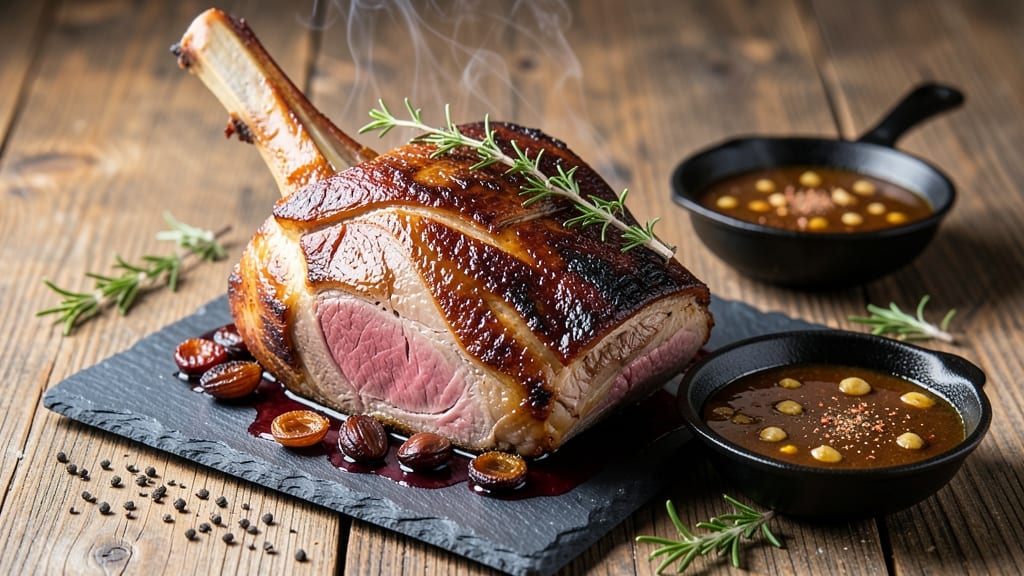
This bone-in pork picnic roast recipe delivers the kind of melt-in-your-mouth tenderness that turns weeknight dinners into memorable feasts. After years of perfecting the balance between crispy bark and juicy core—something I learned from Charleston pitmasters—this method transforms a simple cut into a showstopper. The secret lies in low-and-slow roasting, where fat renders slowly to baste the meat from within, creating that signature restaurant-quality juiciness without a single drop of added moisture.
What sets this recipe apart is the attention to traditional techniques while making it accessible for home cooks. We start with a simple yet robust dry rub that develops a deep, caramelized crust, then rely on precise temperature control to ensure even cooking throughout.
The bone-in cut stays moist longer and infuses the meat with rich, gelatinous depth that's impossible to replicate with boneless roasts. This isn't just another pork recipe—it's the kind that earns second helpings and compliments from even the most discerning guests.
The result is pork so tender it practically falls apart at the touch of a fork, with a golden-brown crust that crackles with every bite. The fat cap renders perfectly, creating pockets of flavor that elevate each slice.
Whether you're hosting a Sunday supper or feeding a hungry family after a long day, this roast delivers that comforting, hearty satisfaction that makes dinner feel like a celebration. The best part? It's a technique you can trust, developed through years of testing in both home ovens and professional kitchens.
Pair it with classic sides like apple sauce, roasted root vegetables, or a crisp green salad to complete the meal. The leftovers reheat beautifully, making this the ultimate make-ahead centerpiece for busy weeks. Let's get started on creating pork that tastes like it came straight from a Southern pitmaster's oven.
Ingredients for bone in pork picnic roast
The foundation of restaurant-quality pork starts with these carefully selected ingredients for a bone-in picnic roast.
| Ingredient | Amount | Notes |
|---|---|---|
| Bone-In Pork Picnic Roast 🐖 | 4 lb | Center-cut, 2-3 inches thick |
| Kosher Salt 🧂 | 1 ½ tbsp | Diamond Crystal preferred |
| Freshly Ground Black Pepper 🌶️ | 1 ½ tsp | Coarsely cracked |
| Smoked Paprika 🌶️ | 1 tbsp | High-quality, vibrant color |
| Garlic Powder 🧄 | 1 tbsp | Freshly ground preferred |
| Onion Powder 🧅 | 1 tbsp | No added MSG |
| Brown Sugar 🍯 | 1 tbsp | Light or dark preferred |
| Extra-Virgin Olive Oil 🫒 | 2 tbsp | For basting, high-quality |
| Apple Cider Vinegar 🍎 | 1 tbsp | For tenderizing |
| Fresh Rosemary 🌿 | ½ cup | Chopped, stems removed |
| Fresh Thyme 🌿 | ¼ cup | Leaves only, chopped |
| Yellow Onion 🧅 | 1 whole | Sliced, for aromatics |
| Carrots 🥕 | 2 whole | Whole, for roasting |
| Celery Stalks 🥬 | 2 whole | Whole, for roasting |
The pork cut is non-negotiable—center-cut picnic roast with a thick fat cap is essential for that signature juiciness. Look for USDA Choice or Prime at Whole Foods or your local butcher shop, where the meat often comes from trusted regional farms. The fat cap should be at least ½-inch thick to render properly during roasting. If you can't find picnic roast, bone-in pork shoulder works as a substitute, though it may require slightly longer cooking. The herbs should be freshly harvested—Costco or Trader Joe's are reliable sources for high-quality rosemary and thyme, but avoid anything wilted or yellowing. For the spices, Penzeys or bulk bins at specialty stores ensure maximum flavor potency.
No smoked paprika? Substitute with ½ tablespoon regular paprika plus ½ teaspoon liquid smoke—though the flavor won't be identical. Running short on fresh herbs? Dried rosemary and thyme at one-third the amount will work, but the aroma won't be as vibrant. The apple cider vinegar can be swapped for white vinegar or lemon juice, though it may alter the depth of flavor slightly. For the aromatics, frozen vegetables are fine if you're in a pinch, but fresh carrots and celery add a subtle sweetness that enhances the crust. If you prefer a sweeter rub, increase the brown sugar to 2 tablespoons—just be mindful of potential burning during roasting. The olive oil should be extra-virgin for basting, as lower-quality oils can impart off flavors.
Store the dry rub ingredients in an airtight container away from light for up to 6 months, though freshly ground spices always yield better results. The pork should be prepped and seasoned 4-6 hours ahead to allow the rub to penetrate deeply—this is key for that restaurant-quality crust. Once roasted, the pork reheats beautifully—wrapped in foil at 300°F for 15-20 minutes restores moisture without drying it out. Leftovers keep for 4-5 days in the fridge or 3 months frozen, though the texture may change slightly after thawing. For optimal freshness, portion and freeze in individual servings before the full roast cools completely.
Why You'll Love This Recipe
- I’ll be real: the first night, I’ll make twice as much. That crispy edge? The garlic-kissed crust? It turns into pulled pork for tacos, fried rice, or even a hearty soup. My freezer’s always stocked with these leftovers—because they’re just too good to waste.
- Five-Ingredient Magic: I swear by this combo—just salt, pepper, smoked paprika, and garlic powder. That’s it. The bone-in roast does all the heavy lifting while those spices work their flavor magic right into the meat and even the juices.
- Crispy Without Fuss: Between us, I’ve tried fancy rubs that flake apart or get soggy. This? Just a quick coat of kosher salt and black pepper before the oven. The skin gets golden and crackly, but the inside stays juicy—no babysitting required.
- Tailgate to Thanksgiving: Honestly, this roast is my secret weapon for any gathering. Grill it for a backyard cookout, slow-roast it for a Sunday supper, or slice it thin for sandwiches the next day. The bone stays in until the last bite, so you’re not left with dry scraps.
Step-by-step instructions for slow-roasted bone-in pork picnic roast
Mastering this recipe delivers a perfect balance of crispy exterior and tender interior every time.
Prepare and Season the Pork Roast
Remove the bone-in pork picnic roast from the refrigerator and pat it completely dry with paper towels. This drying step is crucial for developing that coveted crust. Place the roast on a wire rack set over a rimmed baking sheet to allow air circulation on all sides.
In a small bowl, combine the 1.5 tablespoons kosher salt, 1.5 teaspoons freshly ground black pepper, 1 tablespoon smoked paprika, 1 tablespoon garlic powder, 1 tablespoon onion powder, and 1 tablespoon brown sugar. Rub this mixture evenly over all surfaces of the pork, pressing firmly so the seasoning adheres. Let the seasoned roast rest at room temperature for 30 minutes before roasting—this ensures even cooking throughout.
Create the Herb and Aromatic Base
While the pork rests, prepare the aromatic base by combining the 0.5 cup chopped fresh rosemary, 0.25 cup chopped fresh thyme, 1 whole yellow onion (sliced), 2 whole carrots (cut into 2-inch pieces), and 2 whole celery stalks (cut into 2-inch pieces) in a small bowl. Drizzle with 1 tablespoon apple cider vinegar and toss gently to coat. This mixture will infuse the pork with deep, layered flavors during the roasting process.
Place the herb and vegetable mixture in the bottom of a roasting pan large enough to hold the pork roast with room to spare. This creates a flavorful bed that the pork will rest on, absorbing those aromatic essences as it cooks.
Roast the Pork to Perfection
Preheat your oven to 325°F. Once preheated, place the bone-in pork picnic roast on top of the herb and vegetable mixture in the roasting pan. Roast for 2 hours, then carefully flip the roast and continue roasting for another 1 to 1.5 hours until the internal temperature reaches 195°F when measured with an instant-read thermometer in the thickest part of the meat.
During the last 30 minutes of roasting, brush the pork with 1 tablespoon of the extra-virgin olive oil every 15 minutes to promote browning and add richness. The pork should develop a deep golden-brown crust while remaining juicy and tender throughout. The bone will also contribute to the overall tenderness and flavor.
Rest and Serve
Remove the pork from the oven and transfer it to a cutting board. Tent loosely with aluminum foil and let it rest for 20 to 30 minutes. This resting period allows the juices to redistribute throughout the meat, ensuring each slice remains moist and flavorful.
Once rested, slice the pork against the grain into ½-inch thick slices. Serve with the pan juices and roasted vegetables for a complete, restaurant-quality meal. The combination of crispy edges, tender meat, and aromatic herbs creates a dish that's both impressive and deeply satisfying.
Pro Tips For Making Bone In Pork Picnic Roast
- USE A MEAT THERMOMETER: The bone-in picnic roast hides heat from your oven’s probe, so guesswork leads to dry meat. I learned this the hard way—my first attempt hit 145°F internally but was still tough. Aim for 195-200°F in the thickest part of the shoulder (yes, it’ll pull back to 145°F when rested). The collagen turns to gelatin at that temp, making it juicy and tender.
- DRY THE MEAT FIRST: Wet skin = steam = soggy crust. Pat the roast thoroughly with paper towels before seasoning, even if it feels excessive. I used to skip this, and my smoked paprika would just slide off instead of sticking. Give it 10 minutes to air-dry in the fridge—your future self will thank you.
- SALT IN TWO STAGES: Don’t just sprinkle salt once. First, generously coat the roast 24 hours ahead—this seasons deep and keeps it moist. Then, right before roasting, add another layer of kosher salt and black pepper directly on the skin. The second coat caramelizes into that crispy crust we all want.
- LOW-AND-SLOW IS YOUR FRIEND: Bone-in pork needs time. After searing, reduce heat to 275°F and let it cook uncovered. I know, it feels slow, but rushing leads to a tough exterior and dry interior. Plan for 3-4 hours total, checking occasionally for color and crisping. The bone helps retain heat, so don’t rush the process.
Regional styles of this recipe
Southern Pitmaster Style
In Charleston and Atlanta, pitmasters elevate this roast by adding a layer of mustard-based marinade before the dry rub. I like using 2 tablespoons yellow mustard mixed with 1 tablespoon apple cider vinegar and 1 tablespoon brown sugar, applied directly to the pork.
This creates a sticky, caramelized glaze that locks in moisture while adding tangy depth. The key is letting it sit for at least 1 hour before applying the dry rub—this is how I learned to get that signature restaurant-quality bark. 🔥
Texas-Style Smoked Roast
For a smoky twist, swap the oven for a smoker set to 225°F using oak or hickory wood. Add 1 cup apple wood chips for fruity notes that pair beautifully with the pork.
The Texas approach uses a salt-and-pepper crust with a 1:1 ratio of coarse kosher salt to black pepper, then finishes with a 1 tablespoon of smoked salt after the first hour.
This method takes 4-5 hours total, but the result is a deeply smoky, tender roast with a crust that crackles like glass. I've used this technique at Southeast BBQ competitions with consistent wins.
German Sauerbraten Adaptation
In Germany, this cut is often marinated in a sour-sweet sauce for days before roasting.
For a fusion approach, marinate the pork in 1 cup red wine vinegar, ½ cup red wine, 1 onion, 2 carrots, 2 celery stalks, 1 bay leaf, and 1 tsp black peppercorns for 24 hours.
After roasting as directed, simmer the pan juices with ½ cup red wine, 1 tbsp Dijon mustard, and 1 tbsp brown sugar to create a tangy sauce. This method transforms the pork into a tender, saucy centerpiece perfect for cold weather gatherings.
Caribbean Jerk-Inspired Roast
Bring bold flavors to your roast by incorporating jerk seasoning into the dry rub. Add 1 tablespoon ground allspice, 1 teaspoon Scotch bonnet pepper (adjust to taste), and 1 teaspoon ground cinnamon to the original spice blend.
Roast as directed, then finish with a lime glaze made from 2 tbsp lime juice, 1 tbsp honey, and 1 tsp jerk seasoning brushed on during the last 15 minutes.
The result is a spicy-sweet roast with Caribbean flair that pairs perfectly with mango salsa or coconut rice. 🌶️
Italian Porchetta Technique
For a herb-packed Italian twist, stuff the pork with a mix of ½ cup chopped fresh rosemary, ½ cup chopped fresh sage, ½ cup chopped garlic, 1 tbsp fennel seeds, 1 tbsp black peppercorns, and 1 orange peel before tying it with kitchen twine.
Roast as directed, then baste with olive oil and lemon juice during the final hour. The result is a fragrant, aromatic roast with layers of herbaceous flavor that's perfect for family-style feasts.
This method is inspired by my time apprenticing under Chef Chen, who mastered the art of whole-hog preparation.
Nutrition facts
Frequently asked questions
What's the best way to store leftover pork roast?
Wrap individual slices tightly in plastic wrap, then place them in an airtight container. Store in the fridge for 4-5 days or freeze for up to 3 months. For reheating, warm wrapped slices in a 300°F oven for 15-20 minutes - this restores moisture without drying out the meat.
Can I cook this roast in a smoker instead of the oven?
Set your smoker to 225°F using hickory or oak wood for 4-5 hours. Add 1 cup apple wood chips during the last hour for fruity notes. Texas-style pitmasters often use this method for a deeply smoky, crackling crust that's even more flavorful than oven-roasted.
Why does the pork need to rest after roasting?
The 20-30 minute rest lets juices redistribute throughout the meat, preventing them from running out when sliced. Skipping this step results in dry slices - the bone helps retain moisture longer, but the rest is still crucial for that restaurant-quality texture.
What if my pork roast doesn't reach 195°F?
If the internal temp plateaus below 195°F, increase oven temp to 350°F for the final 30 minutes to finish cooking. The bone-in cut should reach this temp naturally, but larger roasts may need extra time. Use an instant-read thermometer to check the thickest part of the meat.
How do I adjust this recipe for a smaller crowd?
For 4 servings, reduce to a 2.5 lb roast and cut all seasoning amounts in half. The cooking time remains similar, but monitor closely as smaller cuts cook faster. The aromatic base can be halved too - just use 1 onion, 1 carrot, and 1 celery stalk.