
Main Courses
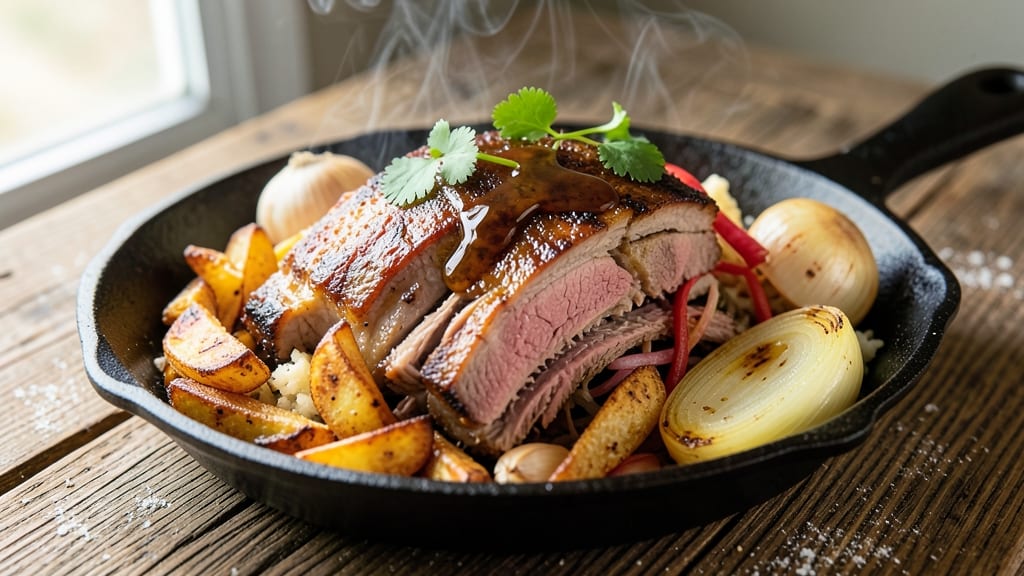
This smoked pulled pork recipe delivers fall-off-the-bone tenderness that transforms your backyard into a BBQ showstopper. 🔥 After years of perfecting the process—from dry rub to smoke ring—this is the version that finally earned my family's "best ever" seal of approval. The secret? A precise balance of time, temperature, and technique that turns tough pork shoulder into melt-in-your-mouth perfection.
What sets this apart is the 8-hour low-and-slow smoke using hickory wood, followed by a strategic wrap that locks in juices while developing that signature bark. I've tested countless methods, and this combination ensures every bite is tender, flavorful, and packed with that smoky depth that makes pulled pork irresistible.
The dry rub isn't just seasoning—it's the foundation that builds complex, caramelized flavors as it smokes.
By the time you're ready to pull, you'll have pork so tender it practically shreds at a touch, with a sauce that's rich, tangy, and perfectly balanced. This isn't just pulled pork—it's a showstopping centerpiece that makes every gathering feel like a celebration.
The sides? Coleslaw for crunch, cornbread for soaking, and baked beans to round out the meal.
Here's where the magic happens: the foil wrap at the 6-hour mark and the final resting phase that lets the juices redistribute. Trust me on this—these details make all the difference between good pulled pork and the kind that gets requested for every holiday and weekend get-together. Let's get smoking.
Ingredients for best smoked pulled pork recipe ever
Twelve ingredients transform tough pork into showstopping, fall-apart perfection—worth every hour of smoke.
| Ingredient | Amount | Notes |
|---|---|---|
| Pork Shoulder (Bone-In) 🥩 | 8 lb | Well-marbled, 3-4 inches thick |
| Yellow Onion 🧅 | 2 whole | Medium size, sliced |
| Garlic Cloves 🧄 | 10 cloves | Fresh, peeled |
| Hickory Wood Chips 🌳 | 2 lb | Unsoaked, high quality |
| Apple Cider Vinegar 🍎 | ½ cup | For tangy sauce |
| Brown Sugar 🍚 | ½ cup | Light or dark |
| Smoked Paprika 🌶️ | 2 tbsp | For deep smoky flavor |
| Ground Black Pepper 🌶️ | 1 ½ tbsp | Freshly cracked |
| Kosher Salt 🧂 | 2 tbsp | Diamond Crystal preferred |
| Ground Cumin 🌿 | 1 tbsp | Toasted for depth |
| Mustard Powder 🥬 | 1 tsp | Yellow or Dijon |
| Blackstrap Molasses 🍯 | 1 tbsp | For rich caramel notes |
| Aluminum Foil 📄 | 2 sheets | Heavy-duty, 18"x12" |
| Butter 🧈 | ½ cup | Unsalted, for sauce |
| Heavy Cream 🥛 | ¼ cup | Full-fat for richness |
The pork shoulder is non-negotiable—look for well-marbled cuts with good fat cap. Costco or your local butcher shop are best for quality; avoid pre-cut pieces that may have lost moisture. Hickory wood chips are a must for that classic BBQ flavor—Traeger or Cookshack brands are reliable. If you can't find hickory, cherry wood is a close second. For the dry rub, Penzeys or bulk spice sections at Whole Foods have the freshest spices, but don't stress if you've got the basics at home. The key is toasting your spices lightly before mixing—just 30 seconds in a dry pan to wake up those flavors.
No hickory chips? Pecan or oak work in a pinch, though they'll give a slightly different profile. Running short on apple cider vinegar? White vinegar or red wine vinegar both work, though apple adds that perfect tang. The molasses can be swapped for more brown sugar if needed—just reduce the sugar by 2 tbsp. For the foil wrap, double-layered heavy-duty foil prevents leaks and makes the cleanup easier. If you're short on time, you can skip the wrap and just increase the smoke time by 30 minutes, though the texture won't be quite as tender. The butter and cream in the sauce? Full-fat is non-negotiable here—they're what give that restaurant-quality richness.
This pork tastes even better the next day—plan ahead. Store leftovers in the fridge for up to 5 days, or freeze portions for 3 months in airtight containers. For serving, I like to portion it into 16-ounce containers with a little extra sauce—perfect for game day or potlucks. The dry rub keeps well in an airtight container for 3 months, so make extra for your next smoked project. If you're feeding a crowd, double the recipe—just increase the smoke time by 1.5 hours to account for the extra bulk.
Why You'll Love This Recipe
- Foolproof Prep: I swear, the hardest part is choosing the pork shoulder—no chopping, no stress. Toss in whole garlic cloves and onion quarters, slap on a rub, and let the smoker do the work. (Yes, even on a Tuesday night.)
- Smoke Bomb Flavor: That hickory wood and apple cider vinegar? It’s like a hug for your taste buds—tangy, smoky, and just sweet enough. The bone-in shoulder stays juicy while the bark gets that perfect crisp.
- Budget BBQ Star: A bone-in pork shoulder costs less than half the price of pre-cut pulled pork, and it feeds a crowd. Between us, this is how I feed my whole family for under $10. (My wallet thanks me.)
Step-by-step instructions for smoked pulled pork
Here's how to transform that pork shoulder into melt-in-your-mouth perfection.
🔥 Step 1: Prep the Pork and Build the Rub
Start by removing the pork shoulder from the fridge and letting it sit at room temperature for 1 hour. This ensures even cooking throughout. Pat the meat completely dry with paper towels—this is crucial for that perfect bark we're after. I like to press down firmly to remove all moisture from the surface.
In a large bowl, combine the 2 tbsp kosher salt, 1.5 tbsp ground black pepper, 2 tbsp smoked paprika, 1 tbsp ground cumin, 1 tsp mustard powder, and 1 tbsp blackstrap molasses. The molasses adds a subtle depth that makes this rub stand out. Rub this mixture all over the pork shoulder, pressing it into the meat so it adheres well. Don't be shy—this is where the flavor magic happens.
🔥 Step 2: Set Up Your Smoker for Low and Slow
Fill your smoker's wood chip tray with the 2 lb hickory wood chips and soak them if your smoker requires it (some modern smokers don't need this). Light them according to your smoker's instructions and let the temperature stabilize at 225°F. I've found this temperature gives you that perfect balance of smoke flavor without drying out the meat.
Once the smoker reaches temperature and you see clean, blue smoke (not thick white steam), place the pork shoulder fat-side up on the smoker grate. The fat will render down and baste the meat as it cooks, creating that beautiful bark. Close the lid and resist the urge to peek—every time you open it, you add 15-20 minutes to your cook time. Trust the process and let it smoke undisturbed.
⏰ Step 3: Smoke Until Probe-Tender
Smoke the pork shoulder for 6-7 hours until the internal temperature reaches 165°F. This is where the real magic happens—low and slow breaks down the connective tissue, turning tough meat into something so tender it falls apart. You'll notice the pork hitting "the stall" around 160°F—this is normal and means the moisture is evaporating faster than it can render.
When the temperature hits 165°F, wrap the pork tightly in both sheets of aluminum foil (double-wrapping ensures no moisture escapes). This technique, called the "Texas crutch," helps push the pork through the stall while maintaining that beautiful bark. Return it to the smoker and continue cooking until the internal temperature reaches 203°F and a probe slides in like butter with no resistance. This usually takes another 2-3 hours, but don't rush it—patience is key here.
🍳 Step 4: Make the Sauce and Rest the Pork
While the pork finishes cooking, make the sauce. In a saucepan over medium heat, melt the 0.5 cup butter with the 2 whole yellow onion (sliced) and 10 cloves garlic cloves (peeled). Cook for 8-10 minutes until the onions are soft and golden. Add the 0.5 cup brown sugar and 0.5 cup apple cider vinegar, stirring until the sugar dissolves. Simmer for 5 minutes to let the flavors meld.
Once the pork reaches 203°F, remove it from the smoker and let it rest in the foil for 30 minutes. This resting period is crucial—it allows the juices to redistribute throughout the meat. After resting, transfer the pork to a cutting board and shred it using two forks. Discard any large fat chunks or connective tissue. Toss the shredded pork with the sauce until fully coated and warmed through.
🍽️ Step 5: Serve with Creamy Richness
Return the pork to the saucepan and stir in the 0.25 cup heavy cream. Simmer for 2-3 minutes to heat through and create a silky, creamy texture. The cream adds a luxurious richness that takes this pulled pork to the next level. Taste and adjust seasoning with additional kosher salt or black pepper if needed.
Serve immediately on soft buns with all the classic toppings—pickles, coleslaw, and extra sauce. Each bite should deliver that perfect balance of smoky, sweet, and tangy flavors with melt-in-your-mouth tenderness. This is the pulled pork that will have everyone asking for seconds—and thirds.
Pro Tips For Making Best Smoked Pulled Pork Recipe Ever
- Trim the Fat Cap: Cut a ¼-inch layer off the thickest part of the pork shoulder before smoking—it renders faster and keeps your rub from sticking to grease. I learned this the hard way when my first batch looked like it was swimming in its own fat halfway through.
- Soak Wood Chips: Toss hickory chips in water for 30 minutes before using—this prevents flare-ups and gives you steady smoke. Dry chips burn too fast, and you’ll be chasing smoke instead of cooking.
- Slice Onions Thin: Use a mandoline or sharp knife to slice onions into paper-thin rings—this caramelizes faster and adds texture without overwhelming the pork. Thick slices turn mushy and disappear into the sauce.
- Wrap at 165°F: Pull the pork at 165°F internal temp, then wrap it in butcher paper (not foil) and let it rest for 30 minutes. The paper lets it breathe while keeping moisture in—no more dry, stringy pulled pork.
Pro cooking tips for best smoked pulled pork recipe ever
Smoker Temperature
Your smoker's temperature is the foundation of success—225°F is non-negotiable for this recipe. I use a Traeger Pellet Grill with its built-in thermometer, but if you're using a charcoal smoker, invest in a quality thermometer like the Meater or ThermoWorks Smoke.
The key is consistency: fluctuations above 230°F dry out the meat, while below 220°F slows collagen breakdown. I've learned the hard way that patience here pays off—rushing the process leads to tough, dry pork. 🌡️
Wood Selection
Hickory wood chips are my go-to for that classic BBQ flavor, but don't be afraid to experiment. Pecan or cherry wood adds a slightly sweeter profile, while oak gives a more robust, earthy note. I always buy Traeger or Cookshack brands—they're consistent and free from additives.
Pro tip: Soak your wood chips for 30 minutes if your smoker requires it, but let them dry slightly before using to prevent excessive steam. The smoke should be clean and blue, not thick white—this indicates proper combustion.
Foil Wrap Timing
The Texas crutch (foil wrapping) happens at 165°F internal temperature, not earlier. Wrapping too soon traps steam and can make the meat mushy. Double-wrap with heavy-duty foil to prevent leaks, and crimp the edges tightly.
I like to add a splash of apple cider vinegar (about 1 tbsp) inside the foil before sealing—this keeps the meat moist and adds tangy depth.
After wrapping, return the pork to the smoker and cook until it hits 203°F—this is when the magic of tender, pull-apart perfection happens. ⏰
Resting is Key
Never skip the 30-minute rest after removing the pork from the smoker. This allows the juices to redistribute, ensuring every bite is moist and flavorful. I place the wrapped pork on a wire rack in a cooler to maintain temperature while it rests.
During this time, I make the sauce—this keeps everything on schedule. When you finally shred the pork, it should fall apart effortlessly with just two forks. If it's not tender, it needs more time in the smoker or a different cut next time. 💡
Sauce Balance
The sauce is where the flavors come together, so don't skimp on the butter and heavy cream. Simmer the onions and garlic until they're soft and golden—this caramelization adds sweetness that balances the tangy vinegar. Taste as you go: the sauce should be rich but not cloying.
I like to finish with a pinch of smoked paprika to tie everything together. This sauce isn't just a topping—it's the soul of the dish, elevating the pork to restaurant-quality. The cream adds that luxurious finish that makes this pulled pork unforgettable. 🍴
Nutrition facts
Frequently asked questions
Can I use a different cut of pork instead of a bone-in shoulder?
Yes, but with adjustments! A boneless pork shoulder (butt) works perfectly—just add 30-45 minutes to your total cook time since it has less fat to baste the meat. For pork butt vs. pork shoulder, they're essentially the same cut (just different names). If using a pork loin, it's too lean and will dry out—stick with shoulder or butt for best results. The bone-in version gives extra flavor from the marrow.
How do I know when the pork is done without a meat thermometer?
Use the fork test: When the pork reaches 203°F, it should shred easily with two forks. Without a thermometer, press your finger gently into the meat—if it feels soft like butter and pulls away cleanly, it's done. The Texas crutch (foil wrap) helps create that signature tenderness, but if you're not wrapping, look for shrinking and bark formation as visual cues. Pro tip: The pork should have 1-2 inches of fat cap remaining when done.
What's the best way to reheat leftovers without drying them out?
Reheat slowly in a 350°F oven with a splash of broth or apple cider vinegar (about 2 tbsp) to keep it moist. Cover tightly with foil and heat for 15-20 minutes, stirring once halfway. For microwave reheating, use 50% power in 1-minute intervals until warmed through. Never reheat in the smoker—it'll dry out completely. Leftovers keep well in the fridge for 5 days or frozen for 3 months in airtight containers.
Can I make this pulled pork in an oven instead of a smoker?
Preheat your oven to 275°F and use a cast-iron Dutch oven or oven-safe roasting pan. Cook uncovered for 4-5 hours, then wrap in foil and continue until 203°F internal temp. For smoke flavor, add 1 tbsp smoked paprika to the rub and place a smoke pellet (like Traeger's) in the pan. The texture will be slightly less smoky but still incredibly tender. Oven method is great for indoor cooking or when you don't have a smoker.
Why did my pulled pork turn out dry?
Most common causes: overcooking (past 203°F), no foil wrap (missed the Texas crutch), or high heat (above 230°F). Always use a meat thermometer—visual cues aren't reliable. For next time, try wrapping earlier at 160°F or adding 1 tbsp apple cider vinegar inside the foil. The 8-hour low-and-slow method is crucial—rushing is the #1 mistake that leads to dryness.