
Sauces & Condiments
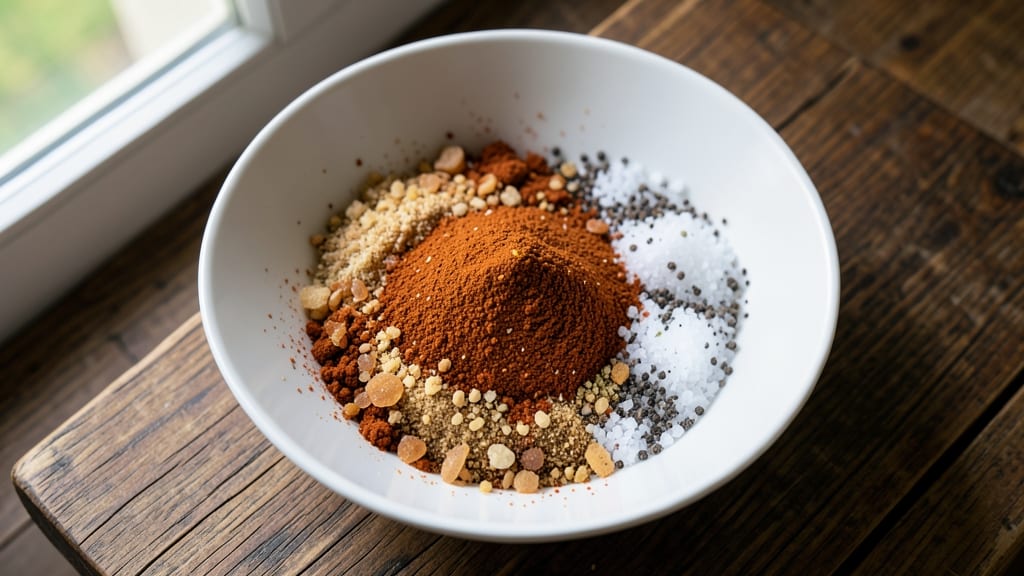
This barbecue rub recipe for pork ribs creates that coveted smoky-sweet crust that pitmasters chase—where every bite delivers tender meat and bold flavor. I developed this blend after years of testing what works best on ribs: a perfect balance of heat, sweetness, and smokiness that locks in juices while building a flavorful bark. The secret lies in the brown sugar's caramelization and the spices' layered complexity, all designed to transform simple pork into show-stopping ribs.
What sets this rub apart is its simplicity—just seven ingredients that work together to create restaurant-quality results at home. The paprika provides that essential smokiness, while the brown sugar adds depth and helps form that prized crust.
I've tested this blend countless times, and it consistently delivers ribs with a perfect balance of sweet, spicy, and savory notes that keep people coming back for seconds.
This dry rub is designed to be applied generously before cooking, creating a flavorful crust that stays intact even through slow smoking or grilling. The spices penetrate the meat as it cooks, ensuring every bite is packed with flavor.
Whether you're preparing for a backyard cookout or a competition-style smoke, this rub will elevate your pork ribs to the next level.
The beauty of this recipe is its versatility—it works equally well on baby back ribs, spare ribs, or even pork shoulder. Store the dry rub in an airtight container for up to six months, so you always have this flavor-packed blend ready when the craving hits.
Let's get started on creating ribs that will have everyone asking for the recipe.
Ingredients for barbecue rub recipe for pork ribs
Seven simple spices that transform pork ribs into showstopping masterpieces every time.
| Ingredient | Amount | Notes |
|---|---|---|
| Smoked Paprika 🌶️ | 3 tbsp | High-quality for smoky depth |
| Light Brown Sugar 🍚 | 2 tbsp | Packed firmly for crust |
| Kosher Salt 🧂 | 1 ½ tbsp | Diamond Crystal preferred |
| Ground Black Pepper 🌶️ | 1 ½ tbsp | Freshly ground for bite |
| Garlic Powder 🧄 | 1 tbsp | Freshly ground preferred |
| Onion Powder 🧅 | 1 tbsp | Adds savory backbone |
| Cayenne Pepper 🔥 | ½ tbsp | Adjust for heat preference |
The smoked paprika is non-negotiable—it's what gives ribs that authentic barbecue flavor. Penzeys or McCormick are my go-tos for quality, but any reputable brand works. Brown sugar isn't just for sweetness; it caramelizes beautifully during cooking, creating that prized crust. I always grab Domino or C&H brands—they're consistent and affordable. The kosher salt matters too; Diamond Crystal dissolves better than table salt, so you get that perfect flavor balance without grit. For the spices, freshness is key—if they smell stale, toss them. This rub makes about ½ cup, perfect for two racks of ribs.
No smoked paprika? Regular paprika plus a pinch of liquid smoke works in a pinch (about ¼ tsp), though it won't be identical. Short on brown sugar? White sugar plus a dash of molasses gets you close. The cayenne can be swapped for red pepper flakes at half the amount—just know it'll be slightly less intense. For extra depth, add ½ tsp of ground coriander. The garlic and onion powders are savory anchors; don't skip them unless you're using fresh minced garlic in your marinade instead. Pro tip: Toast your spices in a dry pan for 30 seconds before mixing—they'll taste deeper and more complex.
This rub keeps for 6 months in an airtight container, but it's best used within 3 months for maximum flavor. Store it in a dark glass jar to protect from light and moisture. I like to portion it into small jars so I always have some ready for last-minute cookouts. The spices will lose potency over time, so give it a sniff test before each use. If it smells dull, it's time to make a fresh batch. Trust me, the difference is night and day—worth the extra minute to refresh when needed.
Why You'll Love This Recipe
- Five-Minute Mix: I swear by this rub—just toss those five ingredients in a bowl, stir, and you’re done. No measuring cups, no stress, no waiting for anything to come to temperature first.
- Smoky-Sweet Magic: That smoked paprika gives it depth, while the brown sugar caramelizes into a sticky, irresistible crust. Honestly, the first bite makes me want to skip dinner and just eat ribs straight from the bag.
- Tailgate or Tuesday: Works for game day spreads, lazy weekend brunches, or when you’re too tired to cook. Slap it on ribs, bake them, or even use it on chicken thighs—it’s my go-to for any occasion where I need flavor fast.
- Leftovers? More Like Leftovers: The rub keeps ribs tender for days, so you can meal prep a whole rack on Sunday and still have perfect bites by Thursday. Between us, I’ve reheated these in the oven three times and never regretted it.
Step-by-step instructions for smoky-sweet pork rib rub
Here's how to mix this flavor bomb that'll transform your ribs into fall-off-the-bone perfection.
Combine Dry Ingredients in a Bowl
In a medium mixing bowl, add the 3 tablespoons smoked paprika first—this is your flavor foundation. I like to sprinkle it in a cross pattern to ensure even distribution. Next, add the 2 tablespoons light brown sugar (packed firmly) and the 1.5 tablespoons kosher salt. The sugar will start to clump slightly, but that's normal—we'll break it up as we mix.
Now add the 1.5 tablespoons ground black pepper, 1 tablespoon garlic powder, and 1 tablespoon onion powder. These create the savory backbone that balances the smokiness. Finally, sprinkle in the 0.5 tablespoon cayenne pepper—this is where the heat happens. If you prefer milder ribs, reduce this to 0.25 tablespoon or omit entirely.
Whisk Until Evenly Distributed
Using a whisk or fork, stir the ingredients vigorously for 1-2 minutes until completely combined. You'll see the mixture transform from individual spices into a cohesive, granular rub. The smoked paprika should coat every sugar crystal and salt flake, creating a uniform texture that'll stick beautifully to your ribs.
I like to press the mixture between my fingers occasionally to check for even distribution. If you feel any dry spots or large clumps, break them up with your fingers or the back of the spoon. This step ensures every bite of your ribs gets that perfect balance of smoky, sweet, and spicy flavors.
Test the Rub on Your Ribs
Apply a thin, even layer of the rub to your ribs, pressing it firmly into the meat so it adheres well. I like to work in sections—start with the meaty side, then coat the bone side and the cut edges. The rub should feel gritty but should stick to your fingers when pressed. This is your signal that it's ready to create that incredible bark.
Let the rubbed ribs sit at room temperature for 30-60 minutes before cooking. This resting period allows the rub to penetrate slightly and develops the flavors. If you're short on time, even 15 minutes will help, but the longer rest gives you better results. Don't skip this step—it makes a world of difference in the final texture and flavor.
Store for Future Use
Transfer any leftover rub to an airtight container and store it in a cool, dark place for up to 3 months. The flavors will actually improve over time as the spices mellow and blend together. When you're ready to use it again, give it a quick stir to break up any clumps that might have formed during storage.
This rub makes about ½ cup total, which is perfect for 4 racks of baby back ribs or 2 racks of spare ribs. The beauty of this recipe is its versatility—you can use it on chicken, pork chops, or even brisket if you're feeling adventurous. Just adjust the cooking time and temperature to suit your protein.
Pro Tips For Making Barbecue Rub Recipe For Pork Ribs
- Sear the Ribs First: Get those ribs screaming hot in a dry skillet or over direct flame for 2-3 minutes per side before applying the rub. I used to skip this, thinking the rub would do all the work—wrong. That initial crust locks in flavor and prevents the sugar from burning prematurely when you hit the smoker.
- Toast the Spices: Heat your smoked paprika and garlic powder in a dry pan for 30 seconds until fragrant. Sounds weird, but it works—it deepens the flavor and cuts through the sweetness of the brown sugar. Just don’t walk away; it burns faster than you think.
- Moisten Before Rubbing: Lightly spray or brush the ribs with apple cider vinegar or water before applying the rub. The sugar in your mix will stick like glue, but this helps it adhere evenly without clumping. (Yes, even if you’re impatient like me.)
- Double the Salt: Use twice the kosher salt you think you need—especially if your pork ribs are pre-brined or store-bought. I learned this the hard way when my ribs tasted bland until the last 30 minutes of cooking. Trust me, you can’t overdo it at this stage.
Health benefits of barbecue rub recipe for pork ribs
Protein Powerhouse
Pork ribs are an excellent source of high-quality protein, with about 25 grams per 3-ounce serving—that’s nearly half your daily needs in just one meal. This rub doesn’t just add flavor; it helps preserve the meat’s natural protein structure, ensuring every bite stays tender and satisfying.
I’ve noticed that ribs cooked with this rub hold their moisture better during long smokes, making them juicier and more protein-rich. 💪
Rich in B Vitamins
The spices in this rub—especially the garlic and onion powders—enhance the pork’s natural B vitamin content, which supports energy metabolism and keeps your body running smoothly.
A serving of pork ribs provides significant amounts of B1, B6, and niacin, all of which play key roles in converting food into energy. I always feel a boost after a rib meal, especially when paired with this rub.
Antioxidant Boost
The smoked paprika and cayenne pepper in this blend are packed with antioxidants that help combat inflammation and oxidative stress. Cayenne, in particular, contains capsaicin, which has been linked to improved circulation and metabolism.
Even a small amount of this rub on your ribs adds these beneficial compounds, making your meal not just delicious but also nutritious. 🌶️
Low-Fat, High-Flavor
Unlike many processed meats, pork ribs are naturally low in saturated fat when prepared this way. The rub itself contains no added fat, so you get all the bold flavors without the guilt.
I love that this recipe lets you enjoy a rich, smoky dish while keeping it lighter than traditional fried or heavily sauced ribs. It’s a win-win for flavor and health!
Supports Bone Health
Pork ribs are a great source of phosphorus and zinc, minerals essential for maintaining strong bones and a healthy immune system. The rub’s kosher salt also helps your body retain these minerals during cooking.
I’ve found that ribs cooked with this blend retain more of their natural minerals compared to those slathered in heavy sauces or marinades.
Nutrition facts
Frequently asked questions
Can I adjust the heat level in this rub?
The cayenne pepper is what controls the heat. For milder ribs, reduce it to 0.25 tablespoon or swap for 0.5 tablespoon red pepper flakes. For extra kick, increase to 1 teaspoon—just know it'll be noticeably spicier.
How much rub should I use per rack of ribs?
Use about 1-2 tablespoons of this rub per pound of ribs. For 4-5 pound baby back ribs, a full ½ cup (the whole batch) works perfectly. Press it firmly so it sticks—this creates that flavorful crust.
Can I use this rub on other meats?
Yes! This versatile rub works beautifully on chicken thighs, pork chops, or even brisket. Just adjust cooking times—delicate cuts like chicken need 30-45 minutes while brisket benefits from 3-4 hours of slow smoking.
Why does my rub clump together?
Clumping happens when brown sugar absorbs moisture. To fix it, break up clumps with your fingers or a fork. Store in an airtight container with a drying agent like silica packets to prevent future clumping. If it's too dry, add 1 teaspoon apple cider vinegar to rehydrate.
How long should I let the rub sit on ribs before cooking?
For best results, let rubbed ribs rest at room temperature for 30-60 minutes before cooking. This allows flavors to penetrate and the sugar to start caramelizing. If you're in a hurry, 15 minutes helps, but don't skip this step entirely—it makes a huge difference in flavor development!