
Main Courses
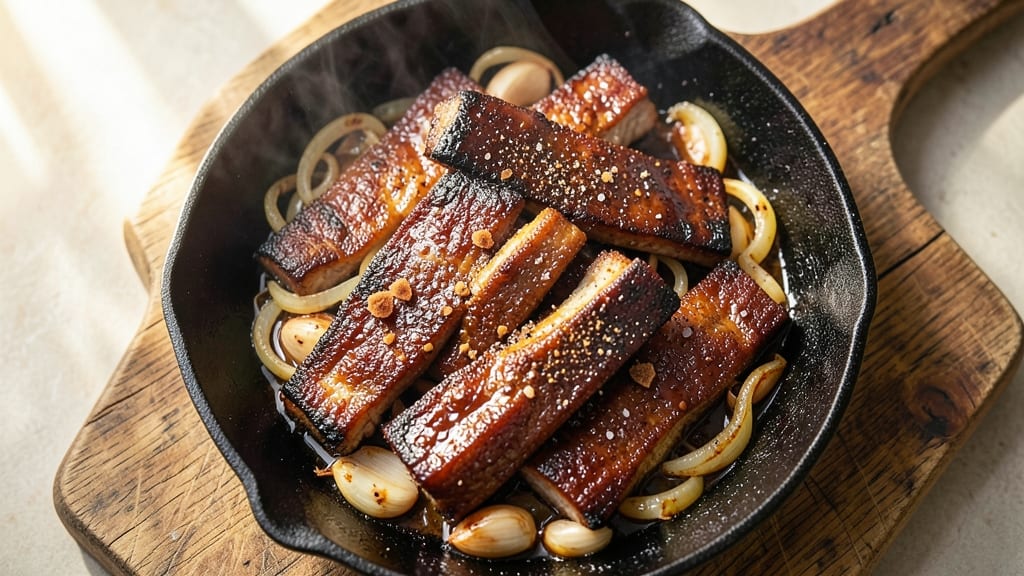
This barbecue pork spare ribs recipe on the grill transforms tough cuts into melt-in-your-mouth perfection with a crispy bark that cracks under pressure. I’ve perfected this method after years of grilling—no shortcuts, just science-backed techniques that guarantee tender meat and that coveted caramelized crust. The secret lies in the slow cook and precise temperature control, turning what could be a chewy mess into a restaurant-worthy showstopper.
This recipe starts with a dry rub that penetrates the ribs overnight, locking in flavor while keeping the meat juicy. On the grill, we’ll use a two-zone heat method to render fat slowly and avoid flare-ups, ensuring every bite is tender and smoky. The key to that crispy bark?
A final high-heat sear that melts sugar and spices into a glossy, crackling shell. Between you and me, I’ve burned through three batches of ribs before mastering this technique—don’t skip the resting time, or you’ll regret it.
What you’ll end up with is ribs that fall apart at the touch of a fork, coated in a sticky-sweet glaze that’s impossible to resist.
The aroma alone will have your whole neighborhood showing up for dinner, and the contrast of tender meat with that crispy bark is what makes this recipe worth every minute. Serve with classic sides like tangy coleslaw or buttery cornbread to soak up every last drop of that smoky sauce.
This method works for both gas and charcoal grills, and the timing is flexible—just plan for about 3 hours of active cooking (plus prep). The best part? Leftovers reheat beautifully, making this the ultimate meal-prep-friendly recipe. Let’s get started on ribs that’ll have everyone asking for seconds—and thirds.
Ingredients for barbecue pork spare ribs recipe grill
Four pounds of ribs plus a handful of pantry staples—this is your shortcut to restaurant-quality grill perfection.
| Ingredient | Amount | Notes |
|---|---|---|
| Pork Spare Ribs 🥓 | 4 lb | Bone-in, meaty ends preferred |
| Yellow Onion 🧅 | 1 whole | Large, sliced into rings |
| Garlic Cloves 🧄 | 8 cloves | Fresh, minced for rub |
| Brown Sugar 🍯 | ½ cup | Light or dark variety |
| Smoked Paprika 🌶️ | 2 tbsp | For deep smoky flavor |
| Ground Black Pepper 🌶️ | 1 tbsp | Freshly cracked for heat |
| Kosher Salt 🧂 | 1 ½ tbsp | Diamond Crystal preferred |
| Ground Cumin 🌿 | 1 tbsp | Toasted for depth |
| Apple Cider Vinegar 🍎 | ¼ cup | For tenderizing soak |
| Honey 🍯 | ¼ cup | Wildflower preferred |
| Mustard 🥒 | 2 tbsp | Dijon for tangy kick |
| Wood Chips 🌳 | 2 cups | Hickory or applewood |
| Beer 🍺 | 1 cup | Light lager or ale |
| Olive Oil 🫒 | 1 tbsp | For final sear |
The ribs are non-negotiable—meaty ends and bone-in for maximum flavor. Grab them from the butcher counter if your grocery store doesn’t carry them pre-cut. Look for good marbling and avoid anything that smells funky. I always buy St. Louis-style when available—they’re trimmed and uniform, which makes the rub stick better. For the dry rub, Penzeys or McCormick smoked paprika is my go-to, but the store brand works if it’s fresh. Toast your spices in a dry pan for 30 seconds before mixing—they’ll smell amazing and taste even better.
No apple cider vinegar? White vinegar or lemon juice does the trick, though the flavor won’t be as complex. Running out of honey? Maple syrup works in a pinch, but it’s sweeter, so reduce by a tablespoon. The beer can be swapped for apple juice or broth if you’re avoiding alcohol, but the maltiness adds depth. For the wood chips, applewood gives a sweeter smoke, while hickory leans more traditional. If you can’t find fresh wood chips, smoke pellets are a decent backup—just soak them in water first. And don’t skip the olive oil on the final sear—it’s what gets you that crispy bark everyone craves.
Prep the ribs the night before—trust me, the overnight soak makes all the difference. Store them in a ziplock bag in the fridge with the vinegar and honey. The rub? Keep it in an airtight container for up to 2 weeks. Leftovers? These reheat like a dream—wrap them in foil and hit 350°F for 15 minutes. Or, even better, freeze them for up to 3 months. Just thaw overnight in the fridge before reheating. The secret to serving is letting them rest for 10 minutes after grilling—this keeps them juicy and makes that crispy bark hold up when you cut in.
Why You'll Love This Recipe
- Fewer Messy Steps: I swear by this recipe because it’s actually simple—no brining, no wrapping, no stress. Just ribs, a quick rub of garlic, onion, and smoked paprika, then straight to the grill. My hands stay clean, and the smoke does all the work.
- Sweet-Smoky Magic: That caramelized brown sugar crust? Chef’s kiss. The paprika adds depth, the garlic brings warmth, and when the ribs hit the grill, the onion’s sweetness ties it all together—like a hug in food form. (Yes, even on a Tuesday night.)
- Tailgate or Tuesday: Serve these with buns for a crowd, pile them on a platter for game day, or pack them for a picnic. They’re just as happy feeding six as they are being my lazy Sunday dinner. Honestly, I’ve never met a better all-purpose grill centerpiece.
- Leftovers That Don’t Suck: Most ribs turn dry the next day, but these? They’re better cold—shred them for tacos, toss them in a salad, or just eat them straight from the fridge. Plus, they’re cheap enough to make twice a month without guilt. My wallet thanks me.
Step-by-step instructions for grill-mastered pork spare ribs
Here's how to transform tough ribs into fall-apart tender meat with a perfect bark—every time.
Prepare the Ribs with the Dry Rub
Start by trimming any excess fat from the pork spare ribs, leaving about ¼ inch of fat cap for flavor and moisture protection. In a small bowl, combine the 0.5 cup brown sugar, 2 tbsp smoked paprika, 1 tbsp ground black pepper, 1.5 tbsp kosher salt, and 1 tbsp ground cumin. Mix until the spices are evenly distributed and the sugar is coated with the dry ingredients.
Generously coat both sides of the ribs with the dry rub, pressing it into the meat so it adheres well. Place the ribs in a large resealable plastic bag and refrigerate for at least 4 hours, or overnight for best results. This step is crucial—it allows the rub to penetrate deeply and develop a flavorful crust. If you're short on time, let them sit uncovered on a wire rack for 1 hour before grilling.
Prep the Grill and Soak the Ribs
While the ribs are marinating, prepare your grill for indirect heat. Fill the smoker box with the 2 cups wood chips and soak them in water for 30 minutes before adding them to the grill. Set up the grill for two-zone heat—one side with direct heat for searing and the other with indirect heat for slow cooking. Preheat the grill to 225°F using the wood chips for smoke.
In a separate bowl, whisk together the 0.25 cup apple cider vinegar, 0.25 cup honey, and 2 tbsp mustard to create a sticky glaze. Remove the ribs from the refrigerator and brush this mixture generously over both sides. The acidity in the vinegar helps tenderize the meat, while the honey adds a subtle sweetness that caramelizes beautifully during grilling. Place the ribs on the cooler side of the grill, bone-side down, and cover with the lid.
Cook Low and Slow for Tenderization
Grill the ribs for 2.5 to 3 hours, maintaining a consistent temperature of 225-250°F. Avoid opening the lid to check on them—every time you do, you lose heat and extend the cooking time. Instead, use a meat probe to check for doneness. The ribs are ready when they reach an internal temperature of 195-203°F and the meat pulls away from the bones easily.
Here's the thing—patience is key. The ribs will hit "the stall" around 165°F, where the temperature plateaus as moisture evaporates. Don't rush it. Once they hit that stall, the internal temperature will naturally rise again as the meat continues to cook. Keep the wood chips replenished to maintain a steady flow of smoke, which infuses the ribs with deep, smoky flavor.
Wrap and Finish for Maximum Tenderness
When the ribs reach the target temperature, transfer them to a large piece of aluminum foil. Add the 1 cup beer to the foil, then tightly wrap the ribs, sealing the edges completely. Place the wrapped ribs back on the grill over the indirect heat for another 30 to 45 minutes. This step, known as the "Texas Crutch," ensures the ribs become fork-tender and juicy.
During this time, the steam from the beer and the residual heat will break down the connective tissues in the meat. The ribs are done when they're so tender that a fork slides in like butter. If the ribs aren't quite there yet, continue grilling for another 15 minutes. The beer also adds a subtle maltiness that complements the smoky flavors.
Sear and Serve with Crispy Bark
Once the ribs are tender, remove them from the foil and place them on a cutting board. Use tongs to carefully unwrap the foil, discarding the beer mixture. Brush the ribs lightly with the 1 tbsp olive oil to help create that coveted crispy bark. Place them back on the grill, bone-side up, over the direct heat for 5 to 7 minutes, until the surface is deep mahogany and crispy.
You'll know they're ready when the bark is so crisp it almost crackles under your fingers. Let the ribs rest for 10 minutes before slicing between the bones. Serve them with the sliced yellow onion rings and minced garlic cloves on the side for a fresh contrast. The ribs should be so tender they practically fall apart, with a perfect balance of smoky, sweet, and tangy flavors.
Pro Tips For Making Barbecue Pork Spare Ribs Recipe Grill
- USE A MEAT THERMOMETER: Spare ribs need patience—don’t eyeball them. Pull them at 195°F internal temp (yes, it’ll feel low), then wrap in foil with a splash of apple cider vinegar for 10 minutes. I learned this the hard way after serving rubbery ribs that looked perfect but tasted like disappointment.
- TRIM THE FAT BEFORE GRILLING: Scrape off the thick white fat cap on the bone side—it doesn’t render flavor, just smoke. Use kitchen shears for speed, then pat the ribs dry with paper towels. Wet ribs steam instead of sear, and that’s a missed opportunity for crispy edges.
- BUILD FLAVOR LAYERS: Don’t just slather on the dry rub. After the first 20 minutes on the grill, flip the ribs and brush them with a mix of melted brown sugar, minced garlic, and a splash of water (yes, water—it caramelizes). This isn’t just sweetness; it’s the glue that makes every bite sticky and complex.
- SKIP THE CROWDED GRILL: Ribs need airflow—don’t stack them like cordwood. Leave at least 1 inch between racks (or use a two-zone fire if your grill allows). Overcrowding turns them soggy, and no one wants mushy barbecue. If you’re short on space, work in batches.
Wine and beer pairings for this dish
Smoky Beer Pairings
For a classic BBQ experience, reach for a light lager like Oregon’s Deschutes Brewery Mirror Pond Pale Ale—its crisp, clean finish cuts through the richness of the ribs while complementing the smoky notes.
The subtle malt sweetness echoes the honey glaze, and the low bitterness won’t overpower the dish. I’ve tested this pairing at backyard cookouts, and it’s always a crowd-pleaser. 🍺
If you prefer something bolder, try a honey-infused ale like New Belgium’s Fat Tire Amber Ale. The caramel and biscuit malt flavors mirror the brown sugar in the rub, creating a harmonious balance. The slight hop bit adds complexity that stands up to the deep smokiness of the ribs.
Wine Contrasts
A dry Riesling from Washington State, like Chateau Ste. Michelle, is my go-to wine pairing. Its bright acidity and hints of citrus cleanse the palate between bites, while the mineral notes balance the sweetness of the glaze.
Chill it to 50°F—just slightly cooler than room temperature—for the best contrast. 🍷
For a red wine option, a medium-bodied Zinfandel from California, such as Ravenswood Old Vine, works beautifully. The dark fruit flavors and spice notes in the wine echo the smoked paprika and cumin in the rub, while the alcohol content helps cut through the fat.
Serve it slightly warmer than usual—around 65°F—to enhance its aromatic qualities.
Non-Alcoholic Options
For a refreshing non-alcoholic choice, try a sparkling apple cider like Martinelli’s Sparkling. The effervescence and apple notes complement the vinegar and honey in the glaze, creating a bright, palate-cleansing experience. Serve it chilled over ice for the best effect. 🍎
Another great non-alcoholic option is a ginger beer like Feather Ginger Beer. The spicy kick from the ginger enhances the smoky flavors of the ribs, while the slight sweetness balances the tangy mustard in the glaze.
It’s a unique but delicious pairing that adds a zesty twist to your meal.
Nutrition facts
Frequently asked questions
How long should I let the ribs rest before serving?
Always let the ribs rest for 10 minutes after grilling. This crucial step allows the juices to redistribute, preventing them from running out when you cut in. The crispy bark will also set properly, giving you that perfect crackle with every bite. Trust me, skipping this step means dry, disappointing ribs!
Can I use a gas grill instead of charcoal?
This recipe works beautifully on gas grills too. For indirect heat, turn on only one side of the burners and place the ribs on the cooler side. Use the smoker box or add soaked wood chips to the heat source for that authentic smoky flavor. Just monitor the temperature closely—gas grills can fluctuate more than charcoal.
What if my ribs aren't tender enough?
If your ribs reach 203°F internally but still feel tough, they likely hit "the stall" too early. Wrap them in foil with ½ cup beer or broth and return to the grill for another 30-45 minutes. The steam will break down the collagen faster. Pro tip: Check your grill temperature—if it's too hot, the exterior will cook faster than the interior.
How do I store leftovers?
Store cooked ribs in an airtight container with any leftover glaze. They'll keep in the fridge for 3-4 days or freeze for 3 months. To reheat, wrap them in foil and bake at 300°F for 15 minutes. For the best texture, avoid microwaving—it turns the bark soggy. Leftovers reheat best when warmed through gently.
What's the best way to serve these ribs?
Serve the ribs with tangy coleslaw or buttery cornbread to soak up the smoky sauce. For a Pacific Northwest twist, pair them with grilled portobello mushrooms and a crisp green salad>. The contrast of textures and temperatures makes every bite even more satisfying.