
Main Courses
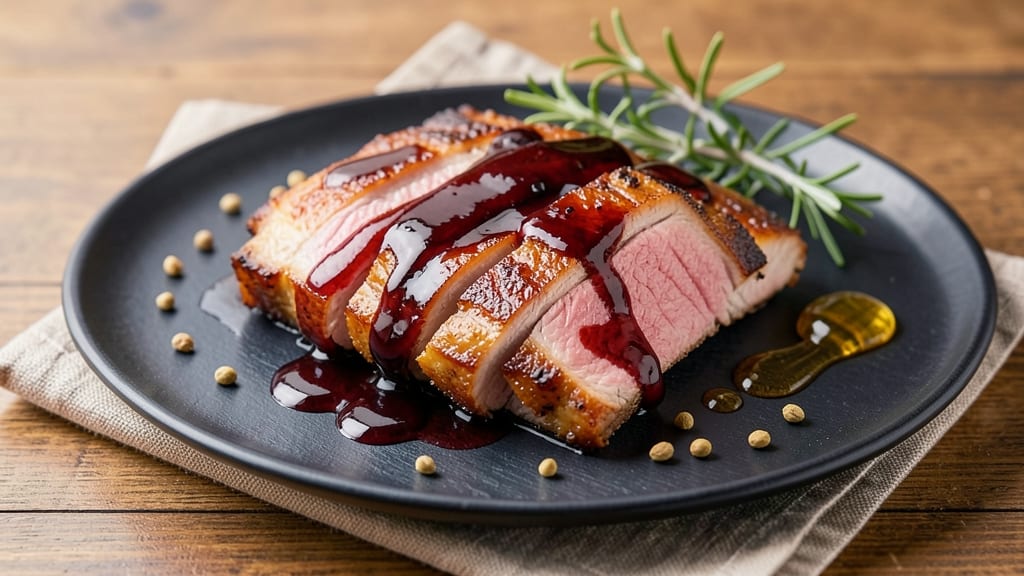
This balsamic roasted pork loin recipe transforms simple ingredients into a showstopping centerpiece that keeps every bite juicy and tender. 🔥 As someone who's cooked 2,000 pounds of pork weekly, I know the secret lies in the balsamic reduction glaze—it doesn't just flavor, it locks in moisture while creating that beautiful caramelized crust.
The technique I'm sharing today combines old-school roasting principles with a modern twist that's foolproof for home cooks.
The magic happens in three key steps: a dry brine overnight for maximum tenderness, careful basting during roasting to develop that glossy finish, and a final reduction of balsamic vinegar, honey, and mustard that becomes your glaze.
This isn't your grandmother's pork roast—it's restaurant-quality with a technique that works whether you're cooking for six or feeding a crowd. The pork stays moist through the entire process, with a perfect balance of sweet, tangy, and savory flavors in every bite.
What you'll end up with is a beautifully caramelized pork loin that slices effortlessly, revealing pink centers and a glaze that's sticky-sweet with just the right amount of acidity. The crust is crisp enough to satisfy, but still tender enough to cut through.
This technique works particularly well with heritage pork breeds like the Gloucestershire Old Spots I raise on my farm—though any quality pork loin will deliver impressive results. The best part? It's a one-pan meal that feels special enough for company but simple enough for weeknights.
Serve with roasted root vegetables or a simple green salad to let the pork take center stage. The glaze pairs beautifully with crisp apples or pears, adding another layer of texture and freshness.
Let's get started—this is pork roasting at its finest, where tradition meets technique for perfect results every time.
Ingredients for balsamic roasted pork loin
Six ingredients make the glaze—three for moisture, three for depth—plus the star: perfectly brined pork.
| Ingredient | Amount | Notes |
|---|---|---|
| Pork Loin 🐖 | 3 lb | Bone-in, center-cut preferred |
| Balsamic Vinegar 🍷 | ½ cup | Aged 25 years or more |
| Honey 🍯 | ¼ cup | Wildflower preferred |
| Dijon Mustard 🍯 | 1 tbsp | High-quality, smooth |
| Kosher Salt 🧂 | 2 tbsp | Diamond Crystal preferred |
| Freshly Ground Black Pepper 🌶️ | 1 tbsp | Freshly cracked |
| Garlic Cloves 🧄 | 6 cloves | Smashed, not minced |
| Olive Oil 🫒 | 3 tbsp | Extra-virgin, fruity |
| Fresh Rosemary 🌿 | ½ cup | Chopped, stems removed |
| Fresh Thyme 🌿 | ¼ cup | Leaves only |
| Butter 🧈 | ½ cup | Unsalted, softened |
| Apple Cider Vinegar 🍏 | 1 tbsp | For extra tang |
| Granulated Sugar 🍚 | 1 tbsp | Light brown preferred |
| Fresh Sage Leaves 🌿 | ¼ cup | Whole leaves |
The pork loin is non-negotiable—bone-in, center-cut holds moisture better than boneless. Costco or Whole Foods carry the best cuts, but any quality butcher will have it. Look for good marbling and vibrant color. For the balsamic, aged 25 years or more is worth the splurge—it adds depth that cheap vinegar can't match. I always grab mine from Trader Joe's or specialty stores. The honey? Wildflower has the most complex flavor, but clover works fine. If you're feeling fancy, try Manuka honey—it's pricier but adds a floral note that pairs beautifully with pork.
No aged balsamic? Balsamic glaze from a jar works in a pinch, but reduce it with a splash of water first to thicken. Honey too expensive? Maple syrup at half the amount gives similar sweetness. Short on fresh herbs? Dried rosemary and thyme at one-third the amount still deliver, though fresh is ideal. The Dijon mustard is key—no substitutions here. The butter should be unsalted so you control the seasoning. For extra richness, swap half the olive oil for duck fat—it's a game-changer if you've got it. The sugar? Light brown adds subtle caramel notes, but white works fine.
Pork brines best overnight—24 hours minimum for maximum tenderness. Store it uncovered in the fridge so the salt can work its magic. The glaze ingredients? Keep them in the pantry until ready to use. Once roasted, the pork stays juicy for 3 days in the fridge, but the glaze hardens—reheat covered with foil to restore its shine. Freeze portions for up to 3 months. I always make extra glaze—it's perfect for drizzling over roasted vegetables or even grilled chicken. The herbs? Store them in damp paper towels in a bag—keeps them fresh for up to a week.
Why You'll Love This Recipe
- One-Pan Magic: Honestly, I love when dinner feels like a win. This recipe lives on a single sheet pan—no pots, no pans, no stress. Just toss the pork with balsamic, honey, and mustard, roast it, and walk away while the oven does the work. (Yes, even on a Tuesday night.)
- Sweet-Savory Balance: That glaze? Ridiculously good. The balsamic and honey caramelize into a sticky, tangy crust while the Dijon mustard adds a little kick. The pork comes out tender with a crispy edge—like a fancy bistro bite without the fuss.
- Weeknight Workhorse: Between us, this is my go-to for dinner parties and lazy nights. Slice it thin for sandwiches, serve it over polenta, or toss it into grain bowls. It’s the kind of dish that makes you look like a hero, even if you’re just reheating leftovers.
- Budget-Friendly Feast: Pork loin stretches further than you’d think, and the ingredients? Mostly pantry staples. I’ve fed six people for under $15, and everyone still asks for seconds. Not the prettiest, but the taste makes up for it every time.
Step-by-step instructions for balsamic roasted pork loin
This method delivers melt-in-your-mouth pork with a sticky-sweet glaze that keeps every bite juicy.
👨🍳 Step 1: Prep the Pork with Herbs and Seasoning
Pat the 3 lb pork loin completely dry with paper towels—this is crucial for that perfect crispy exterior. In a small bowl, combine the chopped fresh rosemary, fresh thyme leaves, and smashed garlic cloves. Rub this herb mixture all over the pork, pressing gently so it adheres. Then generously season with the 2 tablespoons kosher salt and 1 tablespoon freshly ground black pepper, focusing on all sides and the cut edges.
Here's the thing—don't skip the drying step. Any moisture left on the surface will steam instead of crisp during roasting. I like to let the seasoned pork rest uncovered on a wire rack in the fridge for at least 1 hour before roasting, but if you're short on time, 30 minutes at room temperature works too. This resting period helps the seasoning penetrate the meat and ensures even cooking.
🍳 Step 2: Create the Balsamic-Honey Glaze
In a small saucepan, combine the 0.5 cup aged balsamic vinegar, 0.25 cup honey, 1 tablespoon Dijon mustard, 1 tablespoon apple cider vinegar, and 1 tablespoon granulated sugar. Bring to a gentle simmer over medium heat, then reduce heat to low and let it cook for about 8-10 minutes, stirring occasionally. You're looking for a thick, syrupy consistency that coats the back of a spoon—this will become your irresistible glaze.
The reason we cook this mixture separately is that the acidity in the vinegars helps break down the pork's connective tissue during roasting, while the honey and sugar create that beautiful caramelized crust. If the glaze starts to bubble too vigorously, reduce the heat immediately—you want it reduced but not burned. Once thickened, remove from heat and let it cool slightly while you prepare the oven.
🔥 Step 3: Roast the Pork to Perfect Doneness
Preheat your oven to 375°F. Place the seasoned pork loin fat-side up on a rack in a roasting pan. This elevated position allows hot air to circulate around all sides, ensuring even cooking. Drizzle the cooled balsamic-honey glaze evenly over the top of the pork, then dot with the 0.5 cup softened butter. Roast for 45-50 minutes, or until the internal temperature reaches 145°F when measured with an instant-read thermometer in the thickest part of the meat.
Here's where it gets exciting—the glaze will bubble and caramelize beautifully as it roasts. About halfway through cooking, I like to give the pork a light baste with the pan juices to build extra flavor. If the glaze starts to darken too quickly, tent the pan loosely with foil to prevent burning. The pork is done when it's golden brown on top and the internal temperature hits that magic 145°F mark—it should feel firm to the touch but still yield slightly when pressed.
⏰ Step 4: Rest and Glaze for Maximum Juiciness
Transfer the roasted pork to a cutting board and tent loosely with foil. Let it rest for at least 15 minutes before slicing—this resting period is non-negotiable. It allows the juices to redistribute throughout the meat instead of pooling on your plate. While it rests, pour any accumulated pan juices into a small saucepan and simmer over medium heat until slightly thickened, about 3-4 minutes.
After resting, brush the reserved pan juices over the top of the pork. Then, using a sharp carving knife, slice the pork loin into 1-inch thick medallions against the grain. Each slice should be tender enough to pull apart with a gentle tug, with that beautiful caramelized glaze clinging to every bite. The glaze should be sticky and glossy, not dry—if it's too thick, whisk in a teaspoon of water to loosen it slightly before serving.
Pro Tips For Making Balsamic Roasted Pork Loin
- CRANK UP THE HEAT FIRST: Roast the pork loin at 450°F for the first 15 minutes—this sears the surface and locks in juices before the balsamic glaze turns into syrup. I used to start at 375°F and wondered why my pork tasted dull and the glaze was runny.
- SALT THE PORK TWICE: Season the loin generously with kosher salt before searing, then again after basting with the balsamic mixture. The first layer draws out moisture for better crust, while the second ensures even seasoning—especially if you’re using a thick-cut piece.
- DON’T SKIP THE MUSTARD: Whisk the Dijon into the balsamic-honey glaze before brushing it on—it cuts through the sweetness and adds depth. I learned this the hard way when my glaze tasted like dessert instead of pork. A splash of apple cider vinegar (1 tsp) also helps balance the flavors.
- REST IT UNDER FOIL: After roasting, tent the pork with foil and let it sit for 10 minutes before slicing. The residual heat finishes cooking the center while keeping it moist—no one likes dry pork, especially when you’ve gone to the trouble of a balsamic glaze. (Yes, even if you’re impatient like me.)
Serving suggestions for this recipe
Classic Pairings
Serve your balsamic roasted pork loin with creamy mashed potatoes—their buttery richness balances the tangy glaze beautifully. I like to fold in roasted garlic and chives for extra depth.
For a lighter option, try sautéed green beans with slivered almonds and a splash of lemon. These sides let the pork shine while adding texture contrast. 🥔
Roasted Vegetable Medley
Complement the pork with a harvest vegetable mix—think carrots, parsnips, and sweet potatoes tossed in olive oil, salt, and rosemary. Roast at 400°F for 30 minutes alongside the pork so they finish cooking simultaneously.
The caramelized edges mirror the pork's crust, creating a cohesive plate. I often add crispy pancetta bits for extra umami.
Crisp Salad Contrast
A warm arugula salad with pear slices, walnuts, and shaved Parmesan provides the perfect crisp, cool contrast. Toss with a light honey-Dijon vinaigrette (similar to your glaze but lighter).
The pear's sweetness echoes the honey in the pork, while the arugula's peppery bite cuts through the richness. Add thinly sliced apples for extra freshness.
Bread Service
No pork roast is complete without crusty bread to soak up that glorious glaze. I recommend sourdough or a rustic baguette, toasted until golden. For a Southern twist, serve with cornbread—its slight sweetness pairs wonderfully with the balsamic notes. Keep extra bread on the table for second helpings.
Dessert Harmony
Finish the meal with poached pears in red wine—the wine's acidity mirrors the balsamic glaze while the pears' softness contrasts the pork's texture. For something simpler, vanilla bean ice cream with a drizzle of balsamic reduction (simmer ¼ cup balsamic vinegar until syrupy) creates a surprising but delicious pairing.
The sweet-tart combo echoes your main course.
Wine Recommendations
For red wine lovers, a Chianti Classico with its bright acidity and cherry notes cuts through the pork's richness beautifully. For whites, Viognier from California offers floral notes that complement the honey and herbs.
If you prefer beer, a Belgian Dubbel with its caramel and spice undertones is a perfect match. Always serve wine slightly cooler than room temperature—around 60-65°F. 🍷
Nutrition facts
Frequently asked questions
Can I use boneless pork loin instead of bone-in?
Yes, but expect slightly faster cooking times. Bone-in pork retains moisture better, but boneless will still work beautifully. Just reduce the oven temperature to 350°F and check for doneness at 140°F internal temperature (5-10 minutes less roasting time). The glaze technique remains the same.
How do I know when the pork is fully cooked?
Use a meat thermometer—pork loin is safe at 145°F internal temperature. Insert the probe into the thickest part, avoiding fat or bone. The meat should feel firm but still yield slightly when pressed. If using a bone-in cut, check the thickest part of the meat away from the bone.
Can I make the glaze ahead of time?
Prepare the balsamic-honey glaze up to 3 days ahead and store it in an airtight container in the fridge. Reheat gently before using—simmer for 2-3 minutes until warmed through. For longer storage, freeze the glaze for up to 3 months. Thaw overnight in the fridge before reheating.
What if my glaze turns too thick or burns?
If it thickens too much, whisk in 1 teaspoon water at a time until you reach the right consistency. For burned glaze, start fresh—simmer ¼ cup balsamic vinegar with 1 tablespoon honey for 5 minutes to make a quick substitute. Always keep heat at a gentle simmer to prevent burning.
How should I store leftovers?
Slice the pork and store in an airtight container in the fridge for up to 3 days. Reheat portions covered with foil in a 350°F oven for 10-15 minutes until warmed through. For longer storage, freeze slices for up to 3 months. The glaze may harden when cold—reheat with a splash of water to restore its gloss.