
Main Courses
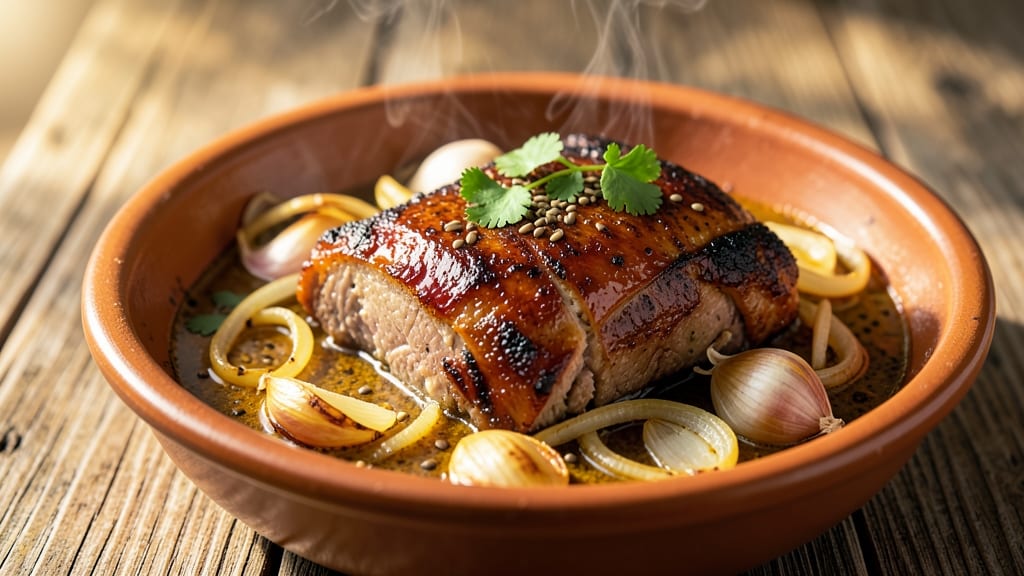
This Bafat pork recipe brings the rich, spiced flavors of Moroccan cuisine to your table with tender meat and a caramelized glaze that'll have everyone asking for seconds. 🔥 As someone who's spent years perfecting pork dishes, I can tell you this slow-cooked masterpiece delivers restaurant-quality results with minimal effort.
The secret lies in the balance of warm spices and the patience required to let the flavors meld together over time.
The dish begins with pork shoulder, marinated in a blend of cumin, paprika, turmeric, and coriander—spices that form the aromatic backbone of Moroccan cooking.
After browning the meat for deep flavor, it simmers in a tomato-based sauce until fork-tender, then finishes with a caramelized glaze that adds both sweetness and depth. This method transforms tough cuts into melt-in-your-mouth perfection, all while developing complex layers of flavor.
What you'll end up with is a dish that's hearty enough for a family dinner but elegant enough for guests—golden-brown pork pieces swimming in a rich, spiced sauce that's both comforting and sophisticated.
The slow cooking ensures the meat stays juicy, while the caramelized glaze adds a touch of sweetness that balances the spices beautifully. This is the kind of meal that tastes even better the next day, making it perfect for meal prep.
Serve it with fluffy couscous or crusty bread to soak up every last bit of that flavorful sauce. The combination of textures and temperatures makes this dish truly unforgettable. Let's get cooking!
Ingredients for bafat pork
Six ingredients make this Moroccan masterpiece—spices, tender pork, and sweet caramelized glaze.
| Ingredient | Amount | Notes |
|---|---|---|
| Pork Shoulder 🥩 | 3 lb | Bone-in for best flavor |
| Yellow Onion 🧅 | 1 whole | Chopped into 1/2-inch pieces |
| Garlic Cloves 🧄 | 6 cloves | Minced for marinade |
| Ground Cumin 🌿 | 2 tbsp | Toasted for deeper aroma |
| Smoked Paprika 🌶️ | 1 ½ tbsp | For authentic Moroccan flavor |
| Ground Turmeric 🌿 | 1 tsp | Brightens the sauce |
| Ground Coriander 🌿 | 1 tbsp | Freshly ground preferred |
| Canned Tomato Sauce 🍅 | 2 cups | San Marzano preferred |
| Fresh Ginger 🌿 | ½ inch | Peeled and grated |
| Honey 🍯 | ¼ cup | For caramelized glaze |
| Apple Cider Vinegar 🍎 | 2 tbsp | Balances sweetness |
| Olive Oil 🫒 | ½ cup | Extra-virgin for richness |
| Salt 🧂 | 1 ½ tsp | Diamond Crystal preferred |
| Black Pepper 🌶️ | 1 tsp | Freshly ground |
| Cinnamon Stick 🌿 | 1 whole | For aromatic depth |
The pork shoulder is non-negotiable here—bone-in stays juicier and packs more flavor. Costco or local butchers usually have the best cuts, but any grocery store will carry it. Look for good marbling and avoid anything with grayish edges. For the spices, Penzeys or bulk bins at Whole Foods are my go-tos, but the regular grocery store stuff works fine if it's fresh. The San Marzano tomatoes? Worth hunting down at Trader Joe's or Italian markets—they're sweeter and less acidic, which balances the spices perfectly. If you can't find them, any high-quality canned tomatoes will do, but don't skimp on quality.
No smoked paprika? Regular paprika plus a pinch of cayenne gets you close. Fresh ginger is ideal, but ground ginger at half the amount works in a pinch. The honey should be mild—avoid dark, robust varieties that can overpower the dish. For the caramelized glaze, if you're short on time, brown sugar plus a splash of water can replace the honey and vinegar combo. The cinnamon stick is optional but adds that extra layer of warmth—skip it if you're serving to guests who dislike strong spices. And if you're worried about the pork being too fatty, pat it dry with paper towels before browning to get better sear.
This dish tastes even better the next day, so make a double batch if you're feeding a crowd. Store it in the fridge for up to 5 days—the flavors deepen as it sits. For freezing, portion into containers and it keeps for 3 months. The caramelized glaze hardens when chilled, so reheat gently with a splash of water or broth to restore its silky texture. Serve with fluffy couscous or crusty bread—the sauce soaks into everything, so have plenty on hand.
Why You'll Love This Recipe
- One-Pan Magic: I swear by this—just toss the pork shoulder with onions, garlic, and spices, then let the oven do the work. No flipping, no fuss, and that golden crust forms while you sip your coffee. (Yes, even on a Tuesday night.)
- Smoky Depth Bomb: The cumin and smoked paprika turn this into something ridiculously flavorful without needing fancy ingredients. That slow-cooked richness? It clings to every bite like it’s been simmering for hours—even though it’s not.
- Leftovers Goldmine: This dish tastes better the next day, which means I’m basically making free meals for the week. Shred it for tacos, sandwiches, or just reheat with a sprinkle of paprika—it’s my go-to for lazy lunches.
- Budget Hero: Pork shoulder is cheap, and a single cut feeds my whole family with room to spare. Honestly, I’ve made this for under $10 for six people, and no one ever complains about seconds. (My wallet thanks me.)
Step-by-step instructions for slow-cooked Bafat pork
This Moroccan-inspired dish transforms humble pork shoulder into melt-in-your-mouth perfection.
🔥 Step 1: Sear the Pork Shoulder for Deep Flavor
Heat 0.25 cup of the olive oil in a large Dutch oven over medium-high heat until shimmering. Pat the 3 lb pork shoulder dry with paper towels—this is non-negotiable for crispy skin. Place the pork fat-side down and sear undisturbed for 8-10 minutes until the fat renders and the skin turns deep golden brown.
Flip the pork and sear the other side for another 6-8 minutes. Here's the thing—don't rush this step. The Maillard reaction happening now creates the rich, caramelized foundation for your entire dish. Remove the pork and set it aside on a plate, leaving all that beautiful browned fat in the pot.
👨🍳 Step 2: Build the Spiced Tomato Base
In the same Dutch oven, add 0.25 cup more olive oil and reduce heat to medium. Add the chopped yellow onion and cook for 5 minutes until softened. Add the minced garlic cloves and cook for another 30 seconds until fragrant—you should smell that sweet garlic aroma wafting through your kitchen.
Stir in the ground cumin, smoked paprika, ground turmeric, ground coriander, salt, and black pepper. Toast the spices for 1 minute until aromatic. Pour in the 2 cups canned tomato sauce and scrape up all those delicious browned bits from the bottom of the pot. Add the peeled and grated ginger and apple cider vinegar.
🔥 Step 3: Slow-Cook Until Fork-Tender
Return the pork to the Dutch oven, fat-side up. Add 1 cup of water to the pot, then place the whole cinnamon stick on top of the pork. Bring everything to a simmer, then reduce heat to low. Cover and cook for 3 hours, turning the pork occasionally to ensure even cooking.
Here's where patience pays off. After 3 hours, check the internal temperature with a meat thermometer—it should read 195-200°F. If not, continue cooking, adding ¼ cup water every 30 minutes to prevent drying. The pork is ready when it's fork-tender and the meat pulls away easily from the bone.
🍳 Step 4: Create the Caramelized Glaze
Once the pork is tender, remove it from the pot and set it aside on a cutting board. Strain the cooking liquid through a fine-mesh sieve into a saucepan and place it over medium heat. Stir in the 0.25 cup honey and simmer for 8-10 minutes until the sauce thickens and becomes glossy.
For that perfect glaze, you want it to coat the back of a spoon but still be pourable. If it thickens too quickly, add 1-2 tablespoons of water to loosen it. Taste and adjust seasoning with more salt or black pepper if needed. The glaze should balance sweet, tangy, and savory flavors.
🥘 Step 5: Glaze and Rest the Pork
Return the pork to the saucepan with the glaze and spoon it generously over the top. Let it simmer uncovered for 5 minutes to let the glaze caramelize slightly and stick to the meat. Transfer the pork to a cutting board and let it rest for 15 minutes before slicing—this is crucial for juicy, tender meat.
Slice the pork against the grain into ¼-inch thick pieces and serve immediately with the glaze spooned over the top. The finished dish should have tender, falling-apart meat with a glossy, caramelized sauce that's perfectly balanced between sweet and tangy. This is comfort food at its finest!
Pro Tips For Making Bafat Pork
- SEAR THE PORK HARD: Get that Dutch oven smoking hot—we’re talking 450°F (230°C) for those first 5 minutes. The crust from a high-heat sear locks in flavor and keeps the meat from drying out later. I used to rush this and ended up with bland pork; now I wait until the pan’s so hot a drop of water sizzles like a tiny explosion.
- CHAR THE ONIONS LOW: Skip the high heat—caramelizing onions for bafat needs patience. Cook them on medium-low (around 275°F/135°C) for 20-25 minutes, stirring occasionally, until deep golden and jammy. Rushing turns them bitter, and that’s the last thing you want in this dish. (Yes, even if you’re impatient like me.)
- DON’T SKIP THE REST: Pull the pork off heat at 195°F (90°C) internal temp, then tent it with foil and let it sit for 15 minutes. This isn’t optional—it’s when the meat reabsorbs juices and becomes tender. I learned this after slicing into a dry, sad slab of pork that looked like it’d been cooked for hours. (It had, but not enough.)
- UPGRADE WITH CUMIN TOAST: Dry-toast your ground cumin in the same pan you seared the pork—just 30 seconds until fragrant. The nutty depth it adds is worth the extra step, and it ties the spices together better than just dumping it in raw. (Sounds weird, but it works: my grandmother swore by this, and she was right.)
Regional styles of bafat pork
Moroccan Bafat Roots
This dish traces its origins to the bustling markets of Fes and Marrakech, where slow-cooked pork with warm spices became a staple in royal kitchens. The name "Bafat" comes from the Arabic word for "spread" or "layered," reflecting how the sauce coats each tender piece of meat.
I remember my first time tasting it in a tiny family-run restaurant in Casablanca—the combination of sweet, spicy, and tangy flavors completely changed how I approached pork dishes. 🌍
North African Variations
In Algeria, Bafat often includes preserved lemons and olives for a briny contrast, while Tunisia leans heavier on harissa paste for extra heat. For a regional twist, try adding 1 tbsp harissa with the spices or ½ cup chopped preserved lemons at the end.
The Algerian version also sometimes uses lamb instead of pork—just reduce cooking time by 30-45 minutes since lamb cooks faster.
Middle Eastern Cousins
This dish shares DNA with Turkish kebabs and Persian khoresh, though those typically use lamb or chicken. The closest relative is Moroccan lamb tagine, which uses the same spice blend but with a different cooking method.
For a fusion twist, swap the pork for chicken thighs and add prunes (a common tagine ingredient) to the sauce during the last 15 minutes of cooking. The prunes add natural sweetness that complements the honey glaze beautifully.
Modern American Adaptations
Many Southern pitmasters have adopted Bafat as a "smoked pork shoulder" variation, using the same spice rub but cooking it in a smoker at 225°F for 6-8 hours. I've seen some amazing versions at Atlanta's Smoky Pig where they finish the pork with applewood smoke before glazing.
For a smoker adaptation, reduce the honey to 2 tbsp and add 1 tbsp smoked paprika to the glaze for extra depth. The smoky flavor pairs wonderfully with the caramelized sweetness.
Vegetarian Twist
While traditional Bafat uses meat, a hearty vegetarian version replaces pork with chickpeas and sweet potatoes. Cook 2 cups chickpeas and 2 medium sweet potatoes (peeled and cubed) alongside the pork in Step 3, adding them when you return the pork to the pot.
Increase the cooking time by 15 minutes to ensure the vegetables are tender. The chickpeas soak up the sauce beautifully, making this version just as satisfying. 🌱
Family-Style Serving
In Morocco, Bafat is always served family-style with everyone sharing from the same large platter. The dish pairs perfectly with fluffy Moroccan couscous or crusty Moroccan bread (like khobz).
For an extra-special touch, serve with a side of spiced yogurt sauce made with ½ cup plain yogurt, 1 tsp ground cumin, and ½ tsp smoked paprika. The cool yogurt balances the rich, spiced pork beautifully.
This is how I serve it at my farm—guests always ask for seconds (and sometimes thirds!).
Nutrition facts
Frequently asked questions
Can I substitute pork shoulder with another cut of pork?
While pork shoulder is ideal for its fat content and flavor, you can use pork butt (which is essentially the same cut) or even pork loin if you prefer leaner meat. For loin, reduce cooking time by 30-45 minutes since it's more tender. Just be prepared for less marbling and slightly drier results. Never use pork chops—they'll dry out completely in this slow-cooked method.
How do I make this dish spicier? For extra heat, add 1-2 teaspoons of cayenne pepper with the other spices or 1 tablespoon of harissa paste during the final glazing step. If you prefer gradual heat, add ½ teaspoon of crushed red pepper flakes to the sauce while simmering.
Can I make this recipe in an Instant Pot?
Yes! Sear the pork first in a skillet, then transfer it to your Instant Pot with all ingredients except the honey. Cook on high pressure for 60 minutes, then quick-release. Strain the sauce, add honey, and simmer until thickened. The pork may be slightly less tender than with slow cooking, but it's still delicious. For best results, use the manual high-pressure setting and check for doneness early.
What's the best way to reheat leftovers?
Reheat gently in a saucepan with 2-3 tablespoons of water over medium-low heat until warmed through. The sauce will thicken as it cools, so adding liquid helps restore its original texture. For microwave reheating, cover with a damp paper towel and heat in 30-second intervals, stirring between each. Never reheat to a boil, as this can make the pork dry.
Why did my sauce turn out too acidic?
This usually happens when the apple cider vinegar wasn't balanced with enough sweetness. To fix it, stir in 1-2 teaspoons of honey or ½ teaspoon of sugar while reheating. For future batches, reduce vinegar to 1 tablespoon or add 1 extra tablespoon of honey during the glazing step. The key is maintaining that perfect balance between sweet, tangy, and savory flavors that define Moroccan cuisine.