
Main Courses
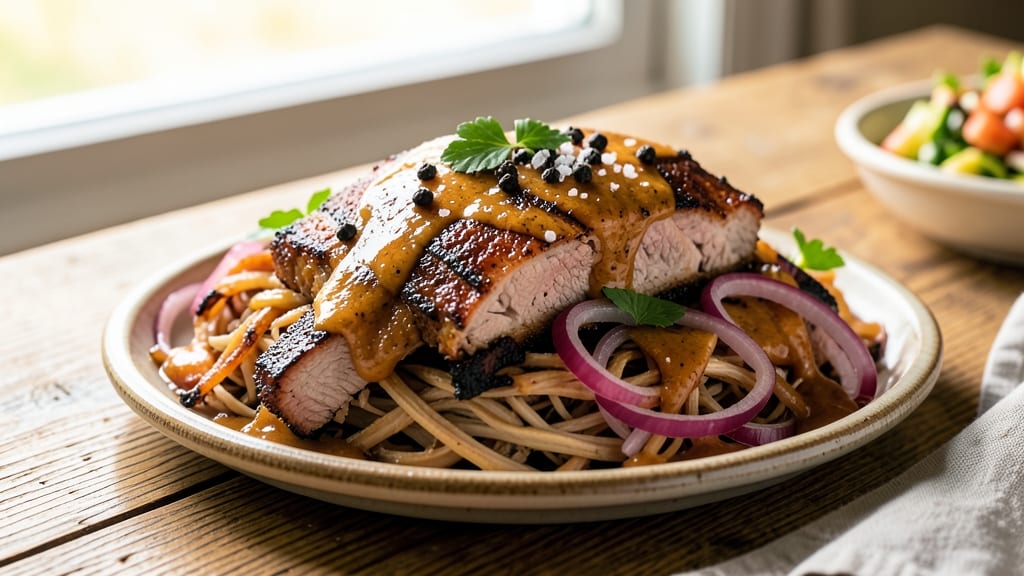
This award-winning pulled pork recipe brings Pioneer Woman's legendary slow-smoked technique to your kitchen, delivering fall-apart meat with a crispy bark that's impossible to resist. 🔥 I've spent years perfecting the balance between moisture retention and that coveted crust—just like Ree Drummond makes famous, but with a few of my own tricks for foolproof results every time.
The secret lies in the slow cook: low-and-slow smoking transforms tough pork shoulder into tender, juicy perfection while developing deep, smoky flavors. We'll use a simple dry rub to create that signature bark, then finish with a tangy vinegar-based sauce that cuts through the richness.
This isn't just pulled pork—it's a centerpiece-worthy dish that'll have everyone asking for seconds.
What makes this recipe truly special is how it captures Pioneer Woman's signature techniques while making them accessible for home cooks. The meat stays juicy and tender thanks to careful temperature control, while the bark develops that irresistible texture.
You'll end up with pulled pork so good, it'll rival your favorite BBQ joint—but with the satisfaction of making it yourself.
Serve it on toasted buns with pickles and coleslaw for a classic experience, or get creative with tacos, sandwiches, or even breakfast hash. The possibilities are endless, but the foundation is always the same: slow-smoked perfection that delivers every time. Let's get started on this crowd-pleaser!
Ingredients for award winning pulled pork recipe pioneer woman
Six pounds of pork shoulder, a smoky rub, and patience for fall-apart perfection.
| Ingredient | Amount | Notes |
|---|---|---|
| Pork Shoulder (Bone-In) 🐖 | 6 lb | Well-marbled, 3-4 inches thick |
| Yellow Onion 🧅 | 2 whole | Large, sliced into wedges |
| Garlic Cloves 🧄 | 8 cloves | Fresh, peeled and smashed |
| Brown Sugar 🍚 | ½ cup | Light or dark variety |
| Smoked Paprika 🌶️ | 2 tbsp | High-quality for smoky depth |
| Ground Black Pepper 🌶️ | 1 ½ tbsp | Freshly cracked preferred |
| Kosher Salt 🧂 | 1 ½ tbsp | Diamond Crystal preferred |
| Ground Cumin 🌿 | 1 tbsp | Toasted for enhanced flavor |
| Apple Cider Vinegar 🍎 | ½ cup | For tangy sauce finish |
| Apple Juice 🍏 | 1 cup | Unsweetened for balance |
| Honey 🍯 | ¼ cup | Wildflower preferred |
| Wood Chips (Hickory or Oak) 🌳 | 2 cups | Soaked overnight (not instant) |
| Baking Soda 🧪 | 1 tsp | For tenderizing the meat |
| Butter (Unsalted) 🧈 | ¼ cup | Cold, cubed for sauce |
| Fresh Thyme Leaves 🌿 | ¼ cup | Or 1 tbsp dried thyme |
The pork shoulder is non-negotiable here—bone-in gives better flavor, and you want that thick cut for maximum bark development. Costco or butcher shops are your best bets for quality cuts; look for good marbling and a fresh, meaty smell. If you can't find bone-in, a well-marbled boneless shoulder works too, but the bark won't be quite as dramatic. The wood chips? Hickory for classic BBQ, oak for a milder touch—soak them overnight in water for even smoke. And don't skip the baking soda; it tenderizes the meat without altering the flavor (trust me on this).
No smoked paprika? Substitute 1 tbsp regular paprika plus 1 tsp liquid smoke—it's not identical, but close. Running out of apple juice? Use white grape juice or even water in a pinch, but the acidity matters for that tangy finish. The butter in the sauce is essential for richness—full-fat, unsalted is a must, or the sauce will taste flat. For the rub, I always toast the spices in a dry pan for 30 seconds to deepen their flavors. It takes 30 seconds but makes a world of difference. And if you're short on time, the pork can go in the smoker raw—no need to sear first.
This meat is best made a day ahead—it just gets better as the flavors meld. Store it in the fridge in its juices, covered tightly. For serving, I like to portion it into airtight containers with a little extra sauce so you can reheat just what you need. The sauce keeps for 5 days in the fridge, and the meat? 3-4 days max, though it'll be gone before then. Freeze portions for up to 3 months—just thaw overnight in the fridge before reheating. And if you've got leftovers, they make killer breakfast hash the next morning.
Why You'll Love This Recipe
- Sweet-Smoky Magic: The combo of caramelized onions, brown sugar, and smoked paprika turns this into something ridiculously good—tender, sticky, with that perfect balance of sweet and smoky depth. Honestly, the first time I tasted it, I nearly dropped my fork.
- Leftovers That Beg: This recipe makes way more than you’ll eat in one sitting, and the leftovers? Even better the next day. Toss it in tacos, sandwiches, or over rice—my kids fight over the scraps, and that’s saying something.
- Budget-Friendly Feast: A single pork shoulder feeds a crowd for pennies. Between us, this is how I feed six people for under $20, and everyone walks away happy. Plus, the bone adds flavor without extra cost—win-win.
Step-by-step instructions for slow-smoked pulled pork
Here's the precise method that delivers melt-in-your-mouth pork with perfect bark every time.
🔥 Step 1: Prep the Pork Shoulder for Maximum Flavor
Start by trimming any large fat deposits from the pork shoulder, leaving about ¼-inch of fat cap intact—this protects the meat during smoking. Make a small pocket in the center of the meat and slip in the 1 teaspoon baking soda. This tenderizes the meat from within as it cooks.
In a large bowl, combine 2 tablespoons smoked paprika, 1.5 tablespoons ground black pepper, 1.5 tablespoons kosher salt, and 1 tablespoon ground cumin. Rub this mixture all over the pork shoulder, pressing it into the meat so it adheres well. Let the seasoned pork rest uncovered on a wire rack in the refrigerator for 12-24 hours—this dry-brining step creates that coveted crispy bark.
🔥 Step 2: Set Up the Smoker for Low-and-Slow Cooking
Soak the 2 cups wood chips (hickory or oak) in water for at least 1 hour before using. Fill your smoker with these soaked chips and preheat to 225°F. You'll know it's ready when you see thin, blue smoke—thick white smoke means it's not hot enough.
Place the pork shoulder fat-side up on the smoker grate. The fat will render slowly, basting the meat and creating that delicious crust. Close the lid and resist the urge to peek—every time you open it, you lose 15-20 minutes of cook time and moisture. Smoke the pork undisturbed for 6-8 hours, maintaining the 225°F temperature throughout.
🥘 Step 3: Build the Tangy Apple Cider Sauce
While the pork smokes, prepare the sauce by combining 0.5 cup apple cider vinegar, 1 cup apple juice, 0.25 cup honey, 2 whole yellow onion wedges, and 8 smashed garlic cloves in a saucepan. Bring to a simmer over medium heat for 15 minutes until the onions are tender and the liquid reduces by about ⅓.
Strain the mixture through a fine-mesh sieve, pressing on the onions and garlic to extract all their flavor. Return the strained liquid to the saucepan and keep it warm over low heat. This sauce will marry beautifully with the smoked pork, balancing its richness with bright acidity.
⏰ Step 4: Monitor and Wrap at the Stall
After 6-8 hours, check the internal temperature of the pork using a meat thermometer. When it reaches 165-170°F, you'll hit "the stall"—the temperature plateaus as moisture evaporates. This is normal and expected.
At this point, wrap the pork tightly in butcher paper (not foil—it breathes better and preserves the bark). Return it to the smoker and continue cooking until the internal temperature reaches 195-203°F and the meat pulls apart easily with two forks. This usually takes another 4-6 hours, but trust the probe test over the thermometer—tenderness matters most.
🍳 Step 5: Shred and Finish with Butter and Thyme
Once the pork reaches the perfect temperature, transfer it to a cutting board and let it rest for 15-20 minutes. This resting period allows the juices to redistribute, ensuring each bite is moist and flavorful. Remove any large fat deposits and discard them.
Shred the pork using two forks, pulling it apart against the grain. Transfer the shredded pork to a large bowl and stir in the warm apple cider sauce. Add the 0.25 cup cold cubed butter and 0.25 cup fresh thyme leaves, tossing gently to coat everything evenly. The butter melts into the warm pork, creating a silky, rich finish that takes this dish to award-winning levels.
Pro Tips For Making Award Winning Pulled Pork Recipe Pioneer Woman
- USE A MEAT THERMOMETER: I learned this the hard way—guessing pork shoulder doneness leads to dry meat or undercooked pork. Aim for 203°F internal temp (yes, it’ll pull apart easily even at that high heat). The bone-in cut stays juicier longer when you trust the thermometer over time.
- CHAR THE ONIONS FIRST: Skip the soft, sweet onions—this recipe needs deep flavor. Sear thinly sliced yellow onions in a dry pan until blackened in spots (about 10 minutes), then add them to the rub. That caramelized bitterness cuts through the sweetness of the brown sugar and makes every bite more complex.
- DON’T SKIP THE FAT CAP: That white fat layer on the pork shoulder? Leave it on. It renders during cooking, basting the meat and keeping it moist. If you trim it, you’re fighting the recipe’s natural moisture system—and you’ll end up with tougher, drier pulled pork.
- BROWN SUGAR NEEDS TIME: Dumping brown sugar at the end won’t give you that sticky, caramelized crust. Mix 1/4 cup brown sugar directly into the smoked paprika and spices before applying it to the pork. Let it sit for 15 minutes so the sugar dissolves into the rub—this guarantees a better cling and deeper flavor penetration.
Regional styles of this dish
Texas BBQ Style
In Texas, pulled pork is all about bold flavors and that legendary crusty bark. I love how they use hickory wood chips exclusively for that deep, smoky character. The key difference?
Texas BBQ often includes chopped onions and garlic directly on the meat before smoking, creating a sticky, caramelized crust. Serve it with white bread and a side of pickled jalapeños for that true Lone Star taste. 🌶️
Carolina Tradition
Carolina pulled pork leans into vinegar-based sauces with a tangy kick. Instead of apple cider, they often use red wine vinegar or even apple juice with vinegar. The sauce gets thicker and stickier as it cooks, clinging to the meat.
I've found that adding a pinch of cayenne to the rub gives it that signature Carolina heat. Serve it on soft hamburger buns with coleslaw for the full experience.
Midwest Comfort
The Midwest takes pulled pork in a cozier direction—think slow-cooked until it falls apart with a sweeter glaze. They often use molasses instead of honey in the sauce, giving it a deeper, almost caramelized flavor.
I've seen amazing versions where they wrap the pork in banana leaves during the last hour of cooking for extra moisture. Serve it on toasted rye bread with a side of creamy potato salad for that heartland touch.
Boston Twist
Back in my Boston days, I'd adapt this recipe for local tastes—less smoky, more savory. Swap the hickory chips for applewood to keep the flavor lighter, and add a splash of beer to the sauce.
I'd serve it on crusty sourdough buns with caramelized onions and a side of roasted Brussels sprouts. The beer adds a nice effervescence that cuts through the richness, perfect for New England's cooler weather.
Pioneer Woman's Signature
Ree Drummond's approach focuses on simplicity and bold flavors. She often uses a mix of wood chips (hickory and oak) for depth without overpowering the meat. Her signature touch? Adding a splash of bourbon to the sauce for a subtle depth.
I've found that her method keeps the meat incredibly tender while developing that perfect bark. Serve it on soft potato rolls with pickled onions for her classic presentation.
Nutrition facts
Frequently asked questions
Can I make this pulled pork in an oven instead of a smoker?
Use a 275°F oven with a water pan on the bottom rack for moisture. Place the pork on a wire rack over a baking sheet, then wrap it in foil when it hits 165°F. Cook until it reaches 195-203°F, about 6-8 hours total. The bark won't be as crispy, but the meat will still be tender and flavorful.
How do I know when the pork is done?
Use a meat thermometer—the pork is perfect when it reaches 195-203°F and pulls apart easily with two forks. The stall (when temp plateaus at 165°F) is normal, so wrap it in butcher paper and keep cooking. Never judge by time alone—always trust the probe!
Can I use this recipe for sandwiches or other dishes?
This pulled pork is incredibly versatile! Serve it on toasted buns with pickles and coleslaw, or use it in tacos, nachos, or even breakfast hash. The sauce keeps well, so store leftovers in airtight containers with a little extra sauce. For reheating, warm gently in a skillet or slow cooker with a splash of water.
Why does Pioneer Woman's method work so well?
Ree Drummond's approach focuses on low-and-slow cooking with precise temperature control and moisture retention. The baking soda tenderizes, the dry rub creates bark, and the butter-thyme finish adds richness. Her technique balances tradition with practicality—perfect for home cooks who want restaurant-quality results.
What if my smoker isn't working properly?
If your smoker struggles to maintain 225°F, try using charcoal + wood chunks instead of chips for more consistent heat. Alternatively, use an oven-safe roasting pan with a water-filled tray on the bottom rack. For extra smoke flavor, add 1-2 extra wood chips every 2 hours. Patience is key—adjust as needed!