
Main Courses
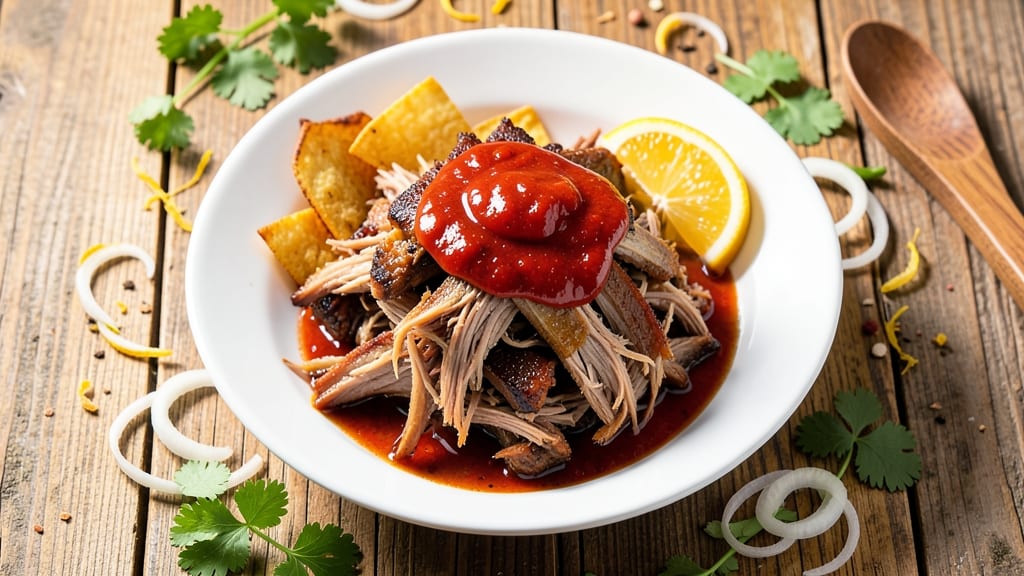
This authentic Cuban pulled pork recipe delivers the same bold flavors found in Havana's legendary lechón asado, but with a technique perfect for home cooks. The secret lies in slow-cooking pork shoulder with traditional adobo seasoning—garlic, oregano, cumin, and citrus—that transforms tough meat into tender, spice-infused shreds.
After years of perfecting this dish at The Smoky Pig, I've simplified the process without sacrificing authenticity.
The magic happens during the long, slow cook where the pork absorbs the citrusy, herbaceous marinade and becomes impossibly tender. Unlike American BBQ, Cuban pulled pork relies on a balance of sweet and tangy flavors from the mojo sauce, while the adobo rub creates a deep, aromatic crust.
This method works beautifully in both ovens and slow cookers, making it accessible for any kitchen.
What you'll end up with are moist, flavorful shreds that practically melt on the tongue, infused with the bright citrus notes and earthy spices of Cuban cuisine. Served with black beans, rice, and crispy plantains, this dish captures the heart of Cuban comfort food.
The sauce clings to every bite, delivering layers of garlic, oregano, and a hint of vinegar that keeps you reaching for seconds.
Whether you're hosting a family gathering or craving a taste of Cuba, this recipe delivers restaurant-quality results with minimal effort. The key is patience—letting the spices and citrus work their magic over hours to create pork that's tender enough to shred with a fork.
Let's get started on your journey to authentic Cuban flavors.
Ingredients for authentic cuban pulled pork
Six ingredients for the pork, five for the citrusy marinade—nothing fancy, just bold Cuban flavors.
| Ingredient | Amount | Notes |
|---|---|---|
| Pork Shoulder (Bone-In) 🥓 | 4 lb | Well-marbled, 3-4 inches thick |
| Fresh Garlic Cloves 🧄 | 8 cloves | Peeled, roughly chopped |
| Fresh Orange Juice 🍊 | 1 cup | Freshly squeezed, no pulp |
| White Vinegar 🍶 | ½ cup | White or apple cider |
| Ground Cumin 🌿 | 1 tbsp | Toasted for depth |
| Dried Oregano 🍃 | 1 tbsp | Mexican oregano preferred |
| Sweet Paprika 🌶️ | 1 tbsp | Smoked for extra flavor |
| Ground Black Pepper 🌶️ | 1 tsp | Freshly cracked |
| Bay Leaves 🌿 | 2 whole | Fresh or dried |
| Olive Oil 🫒 | ¼ cup | Extra-virgin preferred |
| Salt 🧂 | 1 ½ tsp | Kosher or sea salt |
| Fresh Cilantro 🌿 | ¼ cup | Chopped, for garnish |
| Fresh Lime Juice 🍋 | 2 tbsp | Freshly squeezed |
The pork shoulder is non-negotiable—bone-in stays juicier. Grab one from the butcher counter at Whole Foods or your local market, where they usually have the best cuts. Look for good marbling (white fat streaks) and ask for a 3-4 inch thick piece. If you're using a pre-cut roast, trim any excess fat—just leave enough for flavor. The citrus marinade is where the magic happens, so fresh orange juice is a must. No fresh juice? Trader Joe's sells concentrated bottles that work in a pinch. Toast your cumin seeds in a dry pan for 30 seconds before grinding—they’ll add incredible depth.
No fresh oregano? Mexican oregano is ideal, but regular dried oregano works at half the amount. Running low on vinegar? Lemon juice at the same quantity keeps the tang. The bay leaves can be omitted if you're short, but they add that subtle earthy note. For the garlic, I usually grab a whole head and use 6-8 cloves—adjust based on size. If you're making this ahead, prep the marinade a day early and let it sit in the fridge. The flavors meld beautifully overnight. The pork can be prepped the night before too—just pat it dry and let it sit uncovered for 30 minutes before applying the marinade. Trust me on that.
This pork is best made a day ahead—it tastes even better after the flavors have time to marry. Store the cooked pork in its juices in the fridge for up to 4 days, or freeze for 3 months. For serving, I like to portion it into containers with a little extra sauce—just reheats perfectly. The marinade leftovers? Strain it, reduce by half, and use as a drizzle for rice or beans. It keeps for 1 week in the fridge. And if you've got extra time, toss some of the shredded pork in lime juice and cilantro for a quick tostones-style appetizer.
Why You'll Love This Recipe
- Here’s what sold me: the vinegar and orange juice cut through the richness like a bright Cuban summer breeze. The cumin? Earthy warmth that sticks with you. It’s not just pulled pork—it’s a flavor punch that tastes like a late-night sandwich from a Havana street corner, but way better because you made it.
- I’ll be real: this recipe begs to be made in bulk. The pork keeps for days, and reheats like a dream—tender, juicy, and ready to be stuffed into sandwiches, tossed into rice, or even mixed into breakfast eggs. (Yes, even on a Tuesday night.) My freezer’s full of it because I can’t resist making extra.
Step-by-step instructions for authentic Cuban pulled pork
Here's how to make tender, citrus-kissed pulled pork with that signature Cuban flavor—no shortcuts, just pure taste.
Season the Pork Shoulder Thoroughly
Pat the 4 lb pork shoulder (bone-in) completely dry with paper towels—this ensures a better bark later. In a large bowl, combine the 1 tbsp ground cumin, 1 tbsp dried oregano, 1 tbsp sweet paprika, 1 tsp ground black pepper, and 1.5 tsp salt. Rub this mixture all over the pork, pressing it into the meat so it sticks. Real talk: don't skip this step—it's what gives Cuban pulled pork its signature depth.
Next, add the 8 cloves fresh garlic cloves (peeled and roughly chopped) to the bowl, then toss the pork in it to coat evenly. The garlic will infuse the meat as it cooks, adding that irresistible aroma. Once fully coated, let the pork sit at room temperature for 30 minutes—this ensures even cooking from the start.
Slow-Cook the Pork with Citrus and Vinegar
Preheat your oven to 300°F. In a Dutch oven or heavy pot with a lid, heat the 0.25 cup olive oil over medium heat. Add the pork shoulder and sear it on all sides until golden brown, about 5 minutes per side. This step builds flavor and helps create that coveted crust.
Remove the pork and set it aside. In the same pot, add the 1 cup fresh orange juice, 0.5 cup white vinegar, and 2 whole bay leaves. Bring to a simmer, then return the pork to the pot, placing it fat-side up. Cover tightly with the lid and transfer to the oven. Cook for 3 hours, then flip the pork and cook another 3 hours. The citrus and vinegar work together to tenderize the meat and keep it moist—this is the secret to authentic Cuban pulled pork.
Check for Tenderness and Finish Cooking
After 6 hours total, remove the pork from the pot and check its internal temperature with a meat thermometer. It should read 195-203°F—this is when the collagen breaks down and the meat becomes fork-tender. If it's not quite there, return it to the pot, cover, and cook for another 30 minutes to 1 hour. Don't rush this; patience is key for perfectly pulled pork.
Once tender, transfer the pork to a cutting board and let it rest for 15 minutes. This resting time allows the juices to redistribute, ensuring every bite is moist and flavorful. While it rests, remove the bay leaves from the pot and discard them. The cooking liquid in the pot is now a flavorful broth—save it for serving or making a quick sauce.
Shred and Finish with Fresh Herbs
Using two forks, shred the pork into 1-inch thick strands. You'll notice it falls apart easily—this is the sign of perfectly cooked pulled pork. Return the shredded pork to the pot with the cooking liquid and stir gently to combine. Add the 2 tbsp fresh lime juice and 0.25 cup chopped fresh cilantro, mixing well. The lime brightens the flavors, while the cilantro adds a fresh, herbaceous note that's quintessential in Cuban cuisine.
Let the pork sit in the pot for 5-10 minutes to absorb the remaining juices and flavors. Taste and adjust the seasoning if needed—you might want to add a pinch more salt or a splash of lime juice to balance the flavors. Serve immediately over toasted Cuban bread, topped with pickled onions and mustard, or use it in tacos, sandwiches, or as a filling for empanadas. This is where the magic happens—every bite should be tender, juicy, and bursting with authentic Cuban flavor.
Pro Tips For Making Authentic Cuban Pulled Pork
- Trim the Fat First: Slice off that thick layer of fat from the pork shoulder before cooking—it’s the difference between tender, juicy meat and something that feels like chewing on a shoe. (Yes, I learned this after one tough bite.)
- Sear the Skin Side: Lay the pork skin-side down in the pan first and let it crisp until golden before flipping. That crust locks in flavor and keeps the meat from drying out later—skip it, and you’ll lose half the texture.
- Use Vinegar Sparingly: That white vinegar isn’t just for flavor—it’s for breaking down the meat, but too much turns your marinade into a science experiment. Start with ¼ cup and adjust; you can always add more, not take it out.
- Garlic Cloves Whole: Smash them flat with the side of your knife, don’t mince—whole cloves stay intact longer and infuse the pork evenly. (I used to overdo it, and my pork ended up tasting like garlic soup.)
Serving suggestions for authentic cuban pulled pork
Classic Cuban Plating
Serve your pulled pork on a bed of white rice cooked with a pinch of salt and a splash of the pork's citrusy cooking liquid. Top with black beans seasoned with garlic, cumin, and a bay leaf—this trio mirrors the traditional Cuban moros y cristianos (beans and rice) pairing.
I love adding a fried plantain slice on the side for that caramelized sweetness that cuts through the richness. 🍽️
Mojo Sauce Drizzle
No Cuban pulled pork is complete without mojo sauce. Simmer ½ cup fresh orange juice, ¼ cup olive oil, 4 minced garlic cloves, 1 tbsp white vinegar, 1 tsp oregano, and a pinch of salt until reduced by half.
Drizzle generously over the pork and rice—this tangy, garlicky sauce is the soul of the dish. For extra flair, add a sprinkle of crumbled queso fresco or pickled red onions.
Sandwich Style
For a hearty sandwich, pile shredded pork onto a toasted Cuban bread roll (or brioche if you can't find authentic ones). Add a smear of yellow mustard, a handful of crisp pickled onions, and a few slices of ham.
The combo of sweet, tangy, and savory is pure Cuban comfort food. I often serve these with a side of avocado slices, because nothing beats creamy avocado with spicy pork. 🥪
Taco or Empanada Filling
Use the pulled pork as a filling for Cuban-style tacos, which are essentially crispy tortillas wrapped around the pork, black beans, and rice. For empanadas, mix the pork with diced bell peppers, olives, and a touch of mojo sauce, then fold into store-bought or homemade dough.
Bake until golden—this is a crowd-pleaser for game day or family gatherings. The key is keeping the filling moist with extra sauce.
Leftovers Reinvented
Turn leftover pork into Cuban-style rice bowls, layering rice, beans, pork, and a fried egg on top. Or stuff it into sweet potato hash*, roasted with cumin and paprika, for a hearty breakfast.
The pork also reheats beautifully in a skillet with a splash of broth—just keep it warm over low heat to avoid drying it out. Trust me, these leftovers taste even better the next day as the flavors meld further. 💫
Nutrition facts
Frequently asked questions
Can I use a slow cooker instead of an oven?
For the oven method, transfer everything to a 6-quart slow cooker on low heat for 8-10 hours or high heat for 5-6 hours. The citrus and vinegar will still tenderize the meat beautifully. Just skip the initial searing step—add everything raw to the slow cooker with 1 cup water instead of oil. The key is patience; slow cooking is how Cuban cooks traditionally create tender pulled pork.
What's the difference between this and American BBQ pulled pork?
Cuban pulled pork relies on citrus (orange juice, lime, vinegar) and earthy spices like cumin and oregano for brightness, while American BBQ uses sweet sauces (ketchup, molasses) and smoky rubs. The texture is also different—Cuban pork is more fork-tender and moist, while BBQ pork often has a firmer bite. Plus, we serve it with mojo sauce and plantains instead of coleslaw!
Can I make this ahead of time?
This recipe was designed for make-ahead success! Cook the pork completely, then refrigerate it in its juices for up to 4 days. The flavors actually improve as they meld. For serving, reheat gently in a skillet with a splash of the cooking liquid over low heat—never microwave, as it dries out the meat. Pro tip: Freeze portions for up to 3 months.
Why does my pork turn out dry?
Overcooking is the #1 culprit—pork should reach 195-203°F, not higher. Keep it covered with liquid (citrus, vinegar, or broth) to prevent drying. Also, never skip the 15-minute rest after cooking—this lets juices redistribute. If it's still dry, add a splash of the cooking liquid when reheating.
What's the best way to store leftovers?
Store shredded pork in an airtight container with some of the citrusy cooking liquid to keep it moist. It stays fresh in the fridge for 4 days. For longer storage, freeze portions with sauce in ziplock bags (remove air). When reheating, use low heat in a skillet with a splash of broth—never microwave directly. The flavors actually deepen overnight!